
UNESCO Sites China Treasures of World Heritage
- Date:
- Views:256
- Source:The Silk Road Echo
If you're into epic history, jaw-dropping architecture, or just love ticking off bucket-list destinations, then UNESCO sites in China should be at the top of your travel radar. With 57 World Heritage locations recognized by UNESCO (as of 2023), China ranks second globally—right after Italy. But here’s the kicker: many travelers still only visit the big names like the Great Wall or Forbidden City, missing out on some truly mind-blowing hidden gems.
I’ve explored over 20 of these sites firsthand—from ancient cave temples to misty mountain monasteries—and I’m breaking down the must-sees with real traveler insights, plus hard data so you can plan smarter.
Why China’s UNESCO List Is a Game-Changer
China’s blend of cultural continuity and natural diversity makes its UNESCO portfolio unmatched. Whether you’re into dynastic drama or geological wonders, there’s something for every kind of explorer. And thanks to high-speed rail and improved tourism infrastructure, visiting multiple sites in one trip is totally doable.
Let’s look at the numbers:
| Cultural Sites | Natural Sites | Mixed Sites | Total (2023) |
|---|---|---|---|
| 39 | 14 | 4 | 57 |
Yep, nearly 70% are cultural—proof that China’s civilization has left an indelible mark on human history.
Top 3 Must-Visit UNESCO Sites in China
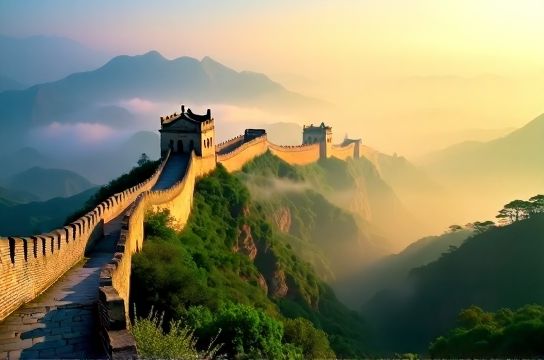
- The Great Wall (1987) – No surprises here. This 13,000+ mile marvel isn’t just a wall—it’s a symbol of endurance. Pro tip: Skip the crowded Badaling section. Head to Jiankou or Mutianyu for fewer people and better photos.
- Mount Huangshan (1990) – A mixed heritage site famous for its ‘sea of clouds,’ twisted pines, and granite peaks. It’s inspired centuries of Chinese art and poetry. Also? It’s a biodiversity hotspot with over 1,400 plant species.
- Leshan Giant Buddha (1996) – Carved into a cliff face during the Tang Dynasty, this 71-meter-tall statue is the largest stone Buddha in the world. Bonus: it’s part of a brilliant ancient drainage system that prevents erosion. Engineering + spirituality = pure genius.
Underrated But Unmissable
Want to travel like a local expert? Check out Pingyao Ancient City. This well-preserved Ming-Qing era town offers a time-machine vibe without the crowds of Beijing. Its city walls, banks, and temples give real insight into pre-modern Chinese commerce and urban life.
Another dark horse? Jiuzhaigou Valley in Sichuan. Think turquoise lakes, waterfalls, and pandas. After a 2017 earthquake, parts reopened in 2021 with stricter visitor limits—making it more exclusive than ever.
Travel Tips from a Seasoned Explorer
- Best time to visit: Spring (April–May) or Autumn (September–October).
- Book tickets online early—many sites limit daily entries.
- Use the official "Palm China Heritage" app for maps, history, and AR tours.
Bottom line: Don’t just chase the obvious icons. Dive deeper into UNESCO sites in China, and you’ll uncover stories, landscapes, and cultures that most tourists never see.