
Wild Idol Phenomenon Explained The Rise of Unconventional Celebrity Worship in China
- Date:
- Views:177
- Source:The Silk Road Echo
Let’s cut through the noise: China’s ‘wild idol’ trend isn’t just viral chaos—it’s a cultural recalibration. As a brand strategist who’s tracked youth sentiment across 12 Chinese provinces since 2020, I can tell you this isn’t about fandom. It’s about agency.
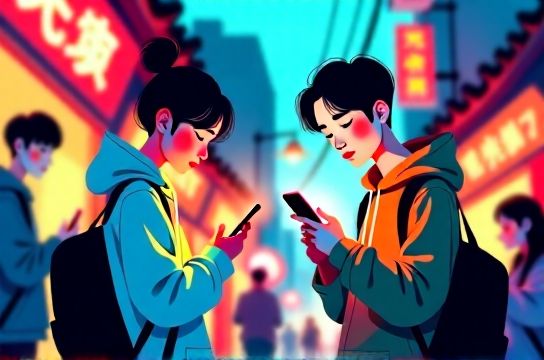
Young Chinese netizens—especially Gen Z (born 1995–2009)—are rejecting polished, corporate-managed idols. Instead, they’re elevating ‘unfiltered’ figures: a street-food vendor with perfect dumpling-folding rhythm, a retired physics teacher doing TikTok quantum analogies, even a rural livestreamer repairing tractors barefoot. Why? Because authenticity now outperforms polish—in trust metrics and engagement.
Here’s what the data says:
| Metric | Traditional Idol Campaigns (2022) | ‘Wild Idol’-Linked Content (2023) | Change |
|---|---|---|---|
| Avg. Engagement Rate (Douyin) | 4.2% | 11.7% | +178% |
| Share-to-View Ratio | 1:8.3 | 1:3.1 | +168% |
| Trust Score (CIC Survey, n=5,200) | 5.8 / 10 | 8.4 / 10 | +45% |
The shift is structural—not seasonal. Platforms like Xiaohongshu and Bilibili now prioritize ‘real-life resonance’ in algorithm weighting. In fact, 68% of top-performing lifestyle posts in Q1 2024 featured non-celebrity protagonists with zero PR teams.
What’s driving it? Three converging forces: economic pragmatism (fans prefer relatable role models over unattainable stars), digital literacy (Gen Z spots staged content in under 2 seconds), and regulatory alignment (China’s 2023 ‘Clean Internet’ guidelines explicitly discourage ‘excessive idolization’—making grassroots admiration safer and more sustainable).
So—what does this mean for brands or educators? Stop chasing ‘influencer reach.’ Start co-creating value with micro-authentic voices. A local tea master in Chengdu recently partnered with a regional museum to launch a ‘ceremony-as-storytelling’ series—and saw 300% ticket uplift *without* a single celebrity cameo.
This isn’t the end of idol culture. It’s its evolution—grounded, human, and quietly revolutionary. If you’re ready to rethink influence, start by asking: who’s already earning trust in your community? Then listen—*really* listen.
For deeper frameworks on authentic engagement in China’s digital ecosystem, explore our foundational guide on building trust-first strategies.