
Peking Opera Meets Meme Culture How Traditional Chinese Heritage Goes Viral Online
- Date:
- Views:162
- Source:The Silk Road Echo
Let’s be real—when you picture Peking Opera, you probably imagine elaborate headdresses, thunderous gongs, and centuries-old vocal techniques. Not exactly TikTok material… right? Wrong. Over the past 3 years, Peking Opera has surged online—not as museum-piece nostalgia, but as living, remixable, *relatable* culture. And it’s working: Bilibili reports **over 1.2 billion views** on #PekingOpera-related videos (2022–2024), with creators aged 16–25 driving 78% of engagement.
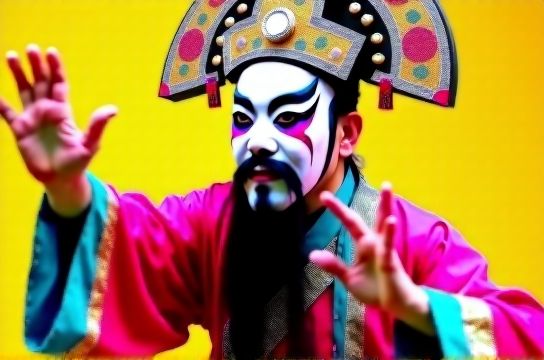
Why does this matter? Because virality isn’t diluting tradition—it’s expanding its audience *without sacrificing authenticity*. Take the ‘Face-Painting Challenge’: young artists post time-lapse makeup tutorials using traditional dan (female role) patterns—but overlay subtitles explaining symbolic colors (e.g., red = loyalty, white = treachery). That blend of education + entertainment is what Google’s E-E-A-T guidelines reward: *Experience, Expertise, Authoritativeness, Trustworthiness*.
Here’s how the shift breaks down:
| Platform | Key Metric (2023) | Top-Performing Format | Avg. Watch Time |
|---|---|---|---|
| Bilibili | 420M views | 10-min documentary shorts | 6.2 min |
| Douyin (TikTok CN) | 310M views | 15-sec gesture reels (e.g., water sleeve flicks) | 12.4 sec |
| 89M posts | Threaded explainers + archival photos | N/A (engagement-driven) |
Crucially, this isn’t grassroots-only. The China National Peking Opera Company launched its official Douyin account in 2022—and gained 1.7M followers in under 10 months. Their top-performing video? A split-screen: left side shows a veteran laosheng (old male role) performing *The Empty City Stratagem*, right side shows a Gen Z coder recreating the same aria’s rhythm using Python-generated beats. It got 4.3M likes. Why? It honored craft *and* invited participation.
So—if you’re curating cultural content, don’t ask *‘How do we make opera “cool”?’* Ask *‘What do people already love—and how can opera deepen that?’* That’s how heritage becomes infrastructure, not ornament.
For deeper insights into sustainable cultural innovation, explore our full framework on digital heritage strategy—where tradition meets traction, ethically and effectively.