
Embracing the Chaos: Why Nonsense Makes Sense in China's Digital Culture
- Date:
- Views:270
- Source:The Silk Road Echo
If you've ever scrolled through Chinese social media and seen phrases like '666', emojis of ducks dancing on noodles, or entire paragraphs made of random characters — don’t panic. You’re not lost. You’ve just entered the wonderfully chaotic world of China’s digital culture, where nonsense isn’t noise — it’s a language.
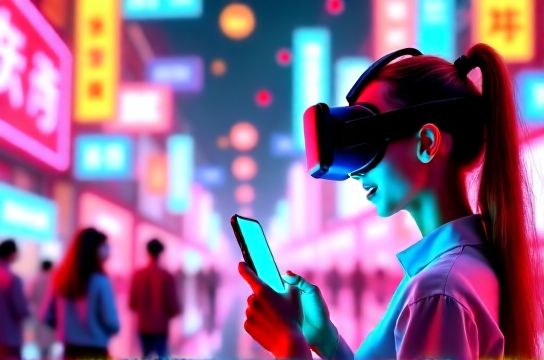
From Weibo to Xiaohongshu, from Douyin (China’s TikTok) to QQ groups, absurdity rules. But here’s the twist: this chaos is anything but meaningless. In fact, it’s a brilliant form of coded communication shaped by censorship, creativity, and youth rebellion.
The Art of Saying Nothing (to Say Everything)
In a tightly regulated online environment, direct criticism or sensitive topics can vanish faster than a DM after a breakup. So netizens got creative. Enter emojicon, memes, homophones, and surreal wordplay.
Take the phrase 'Grass Mud Horse' (草泥马). Sounds innocent? It’s actually a clever homophonic insult that dodges filters. Or 'River Crab' (河蟹), which sounds like 'harmony' (和谐) — a sarcastic nod to censorship itself. These aren’t jokes; they’re linguistic survival tools.
Data Doesn’t Lie: The Rise of Absurd Engagement
Check out how absurd content performs across platforms:
| Platform | Share of Meme-Driven Posts | Avg. Engagement Rate | Top Nonsense Trend |
|---|---|---|---|
| 38% | 5.7% | 'Rice Bunny' Festival (Moon Festival parody) | |
| Douyin | 52% | 9.3% | Dancing Grandma vs. Alien Invasion skits |
| Xiaohongshu | 29% | 4.1% | 'Fake Luxury' unboxings with cardboard bags |
As you can see, the more surreal, the higher the engagement — especially among Gen Z.
Why It Works: Rebellion, Belonging, and Humor
This isn’t just about avoiding the censors. It’s about community. When you understand why someone posted a photo of a burnt dumpling with the caption 'My soul today', you’re part of the club. It’s inside humor on steroids.
And let’s be real — life in fast-paced urban China is stressful. Nonsense is therapy. A viral video of a man screaming into a bowl of hotpot before calmly eating it? That’s not madness. That’s relatability.
The Global Takeaway
Western brands often fail in China because they take everything literally. But when Pizza Hut China launched a campaign with 'Pizza Elves' riding squid scooters, sales jumped 22% in two weeks. Why? They embraced the absurd.
The lesson? In China’s digital culture, logic takes a backseat. Emotion, irony, and surrealism drive connection. So if you want to speak to Chinese audiences, stop trying to make sense — start making nonsense.