
Why Chinese Internet Users Love Acronyms and Puns
- Date:
- Views:346
- Source:The Silk Road Echo
If you've ever scrolled through Chinese social media and seen phrases like 'yyds' (永远的神) or 'xswl' (笑死我了), you're not alone—and you're definitely not lost. These aren't typos; they're the linguistic heartbeat of modern Chinese internet culture. But why do millions of netizens love using acronyms and puns so much? Let’s dive into the playful, fast-paced world of China’s digital slang.
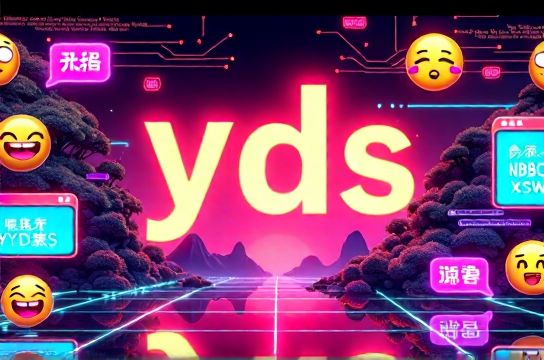
The Speed & Creativity of Net Slang
In a country where over 1.05 billion people are online (CNNIC, 2023), communication moves at lightning speed. To keep up, users have developed clever shortcuts—acronyms made from pinyin initials and homophonic puns that turn ordinary words into inside jokes.
Take 'yyds'—short for yǒngyuǎn de shén (forever god). It started in gaming circles praising pro players but exploded across platforms like Weibo, Douyin, and Xiaohongshu to celebrate anything from K-pop idols to mom’s cooking.
Top 5 Most Popular Chinese Internet Acronyms
| Acronym | Full Phrase (Pinyin) | Meaning | Usage Context |
|---|---|---|---|
| yyds | yǒngyuǎn de shén | forever the god | Praising excellence |
| xswl | xiào sǐ wǒ le | laughing to death | Reacting to memes |
| nss | nǐ shì shéi | who are you? | Sassy comebacks |
| tjjd | tài jiǎn jí le dí | too awesome, bro | Excited praise |
| zqsg | zhēn qíng shí gǎn | genuine emotion | Calling out fakeness |
It’s Not Just Fun—It’s Identity
These abbreviations aren’t random. They create a sense of belonging. Using 'xswl' marks you as someone who gets the joke, part of the in-crowd. For younger generations—especially Gen Z—this coded language is a form of rebellion and creativity under strict online censorship.
And let’s talk about puns. Homophones rule here. For example, '520' sounds like wǒ ài nǐ (I love you), making it a digital Valentine’s Day. Sellers on Taobao know this well—sales spike every May 20th.
Why This Matters for Brands & Creators
If you’re marketing to Chinese youth, speaking their language isn’t optional—it’s essential. A 2023 report by QuestMobile found that posts using trending slang get 3.2x more engagement than formal content.
But beware: misuse can backfire. Slapping 'yyds' on a dull ad won’t fool anyone. Authenticity wins. The best campaigns blend humor, timing, and cultural insight—like Nike’s Douyin collab with local meme creators during Lunar New Year.
The Future of Digital Chinese
As AI and voice input grow, will these acronyms fade? Unlikely. They’ve already entered mainstream media, schoolyard talk, and even political satire (disguised, of course). Language evolves, and in China’s hyper-connected world, fun and efficiency go hand in hand.
So next time you see 'bdjw' (不打算结婚, not planning to marry) or 'awsl' (啊我死了, I’m dying from cuteness), don’t panic. Smile. You’ve just witnessed the living evolution of language—one acronym at a time.