
From Meme to Mainstream How China's Online Jokes Spread
- Date:
- Views:329
- Source:The Silk Road Echo
If you've scrolled through Chinese social media lately, you’ve probably seen phrases like “打工人” (dǎgōng rén, "laborer") or “内卷” (nèijuǎn, "involution") plastered across memes, videos, and even corporate slogans. What starts as a sarcastic joke in a WeChat group can explode into national discourse in under 48 hours. So how do online jokes in China go from niche humor to mainstream culture? Let’s dive into the digital comedy pipeline.
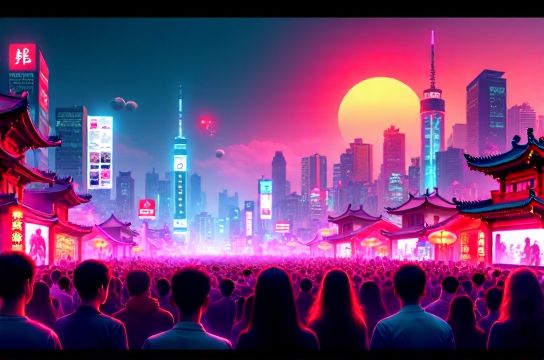
The Life Cycle of a Chinese Internet Joke
It usually begins with frustration. A tired office worker vents on Weibo: “早八人,魂没了!” ("Early-8AM person, soul lost!"). That relatable pain strikes a nerve. Someone turns it into a meme with a zombie cartoon. Then comes the remixes — TikTok dances, Bilibili parodies, even branded content from Starbucks saying “加油打工人!” ("Keep it up, laborers!").
This isn’t just humor — it’s social commentary wrapped in irony. According to CNNIC (China Internet Network Information Center), over 1 billion netizens engage with meme culture weekly, with 78% aged 18–35. These jokes act as emotional pressure valves in a high-pressure society.
Why Do They Go Viral?
- Relatability: Jokes about work stress, housing costs, or dating struggles hit home.
- Platform Algorithms: Douyin and Xiaohongshu boost engaging content fast.
- Language Play: Puns, homophones, and abbreviated slang (like "yyds" for "永远的神" – eternal god) make jokes shareable.
From Laughter to Legacy: The Cultural Impact
Some memes evolve into real-world influence. Take “躺平” (tǎngpíng, "lying flat") — a 2021 trend rejecting hustle culture. It sparked debates in state media and influenced HR policies at tech firms trying to improve work-life balance.
Here’s a look at how key memes moved from internet slang to public conversation:
| Meme | Origin | Mainstream Adoption | Estimated Reach (Million) |
|---|---|---|---|
| 打工人 (dǎgōngrén) | Weibo, 2020 | Branded merchandise, news headlines | 650 |
| 内卷 (nèijuǎn) | Academic circles → Zhihu, 2019 | School reforms, corporate training | 820 |
| 躺平 (tǎngpíng) | Tieba, 2021 | State media coverage, policy talks | 500 |
| 小镇做题家 (xiǎozhèn zuòtígū) | WeChat article, 2022 | University discussions, job market analysis | 300 |
As the table shows, these aren’t fleeting trends. They reflect deep societal shifts — and businesses are paying attention. Luxury brands now use meme-inspired captions; educators discuss "involution" in classrooms.
The Flip Side: Censorship and Co-opting
Not all jokes survive. Sensitive topics get scrubbed. Others are sanitized by official media or commercialized beyond recognition. "Lying flat" was reframed as "rest to recharge," diluting its protest edge.
Yet, the cycle continues. New jokes emerge, evolve, and echo — because as long as there’s stress, sarcasm will find a way.
In China’s digital landscape, a meme isn’t just a laugh. It’s a pulse check on the nation’s mood — quick, sharp, and impossible to ignore.