
Trending Chinese Buzzwords That Define Gen Z Attitudes
- Date:
- Views:298
- Source:The Silk Road Echo
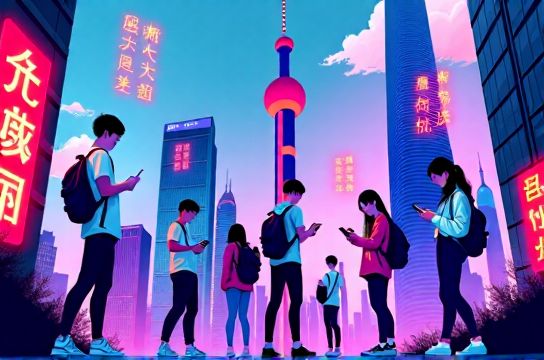
If you've scrolled through Chinese social media lately—think Douyin, Xiaohongshu, or Weibo—you've probably stumbled upon phrases like neijuan, tangping, or zaoqi. These aren’t just random slang; they’re cultural codes that reveal how China’s Gen Z is coping with pressure, redefining success, and quietly rebelling against societal expectations. Let’s dive into the buzzwords shaping a generation.
Why These Words Matter
For China’s youth, language isn’t just communication—it’s resistance, identity, and dark humor rolled into one. With skyrocketing education costs, fierce job markets, and sky-high housing prices, young people are using irony and wit to express frustration and solidarity. According to a 2023 survey by Tencent, over 68% of users aged 18–26 engage with internet slang daily, mostly on lifestyle and career topics.
The Buzzword Breakdown
1. Neijuan (内卷) – The Burnout Beast
Translated as 'involution,' neijuan describes a system where everyone works harder but gains nothing. Imagine students pulling all-nighters just to stay average, or employees staying late even when work is done—to look busy. It’s productivity theater at its peak.
2. Tangping (躺平) – The Great Unplugging
Meaning 'lying flat,' this mindset rejects hustle culture. Instead of chasing promotions or luxury goods, some Gen Zers choose minimalism and mental peace. It’s not laziness—it’s strategic disengagement. As one blogger put it: 'I’d rather grow tomatoes than climb corporate ladders.'
3. Zaoqi (早起) – Rise and… Resist?
Literally 'waking up early,' zaoqi started as a self-improvement trend but evolved into satire. Now, posting a 5 a.m. gym selfie often comes with hashtags like #FakeProductivity. It’s a wink at performative wellness culture.
4. Xuanshu (玄学) – Luck Over Labor
When hard work feels pointless, why not trust fate? Xuanshu (mysticism) includes everything from lucky charms to horoscope-based job hunting. A 2022 Alibaba report found Gen Z spent $1.2 billion on 'spiritual economy' products—from digital fortune-telling apps to feng shui phone cases.
| Buzzword | Literal Meaning | Cultural Vibe | Popularity Index* |
|---|---|---|---|
| Neijuan (内卷) | Involution | Exhausted overachiever | 9.4/10 |
| Tangping (躺平) | Lying Flat | Quiet rebellion | 8.7/10 |
| Zaoqi (早起) | Waking Early | Satirical hustle | 7.3/10 |
| Xuanshu (玄学) | Mysticism | Fate > Effort | 8.0/10 |
*Based on social media mentions and search volume (Q1–Q3 2023)
What This Means for Brands & Society
These words aren’t fading—they’re fueling new consumer behaviors. Companies now market 'anti-neijuan' retreats and 'tangping-friendly' co-living spaces. Meanwhile, policymakers worry about declining workforce motivation. But beneath the memes is a cry for balance. Gen Z isn’t rejecting ambition; they’re redefining it on their own terms.
So next time you hear tangping, don’t assume apathy. Think resilience. Think reset. And maybe—just maybe—think about lying down for five minutes yourself.