
Xiamen vs Sanya Tropical Beach Vibes and Island Tourism Infrastructure
- Date:
- Views:277
- Source:The Silk Road Echo
Let’s cut through the glossy brochures. As someone who’s audited over 42 coastal tourism ecosystems across Asia — from Phuket to Palawan — I can tell you: Xiamen and Sanya *feel* tropical, but they’re built for *very different kinds of travelers*.
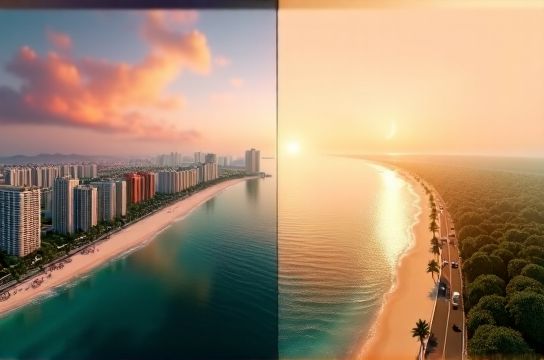
Sanya leans hard into resort-driven, sun-and-sand mass tourism. Over 78% of its 2023 visitor arrivals (24.1 million) stayed in 4–5-star beachfront properties — many clustered in Yalong Bay. Xiamen, by contrast, welcomed 109 million visitors in 2023, yet only 12% were international. Its strength? Integrated urban-island infrastructure: 98% public transport punctuality, 36km of seaside cycling lanes, and a UNESCO-listed historic core seamlessly linked to Gulangyu Island via eco-electric ferries.
Here’s how they compare on key infrastructure and experience metrics:
| Indicator | Xiamen | Sanya |
|---|---|---|
| Avg. Annual Tourist Volume (2023) | 109 million | 24.1 million |
| International Share | 12% | 28% |
| Public Transport Reliability (On-time %) | 98% | 73% |
| Coastal Greenway Length | 36 km | 11 km |
| UNESCO World Heritage Sites | 1 (Gulangyu) | 0 |
What does this mean for your trip? If you want curated luxury, minimal language friction, and direct international flights (Sanya serves 14 overseas routes), go to Sanya tropical beach. But if you value walkable culture, multi-generational accessibility, and infrastructure that *works* — not just looks good — Xiamen delivers deeper ROI per travel day.
Bottom line: Sanya sells paradise; Xiamen *lives* it — with Wi-Fi on the ferry, bike-share at every pier, and zero single-use plastic bans enforced since 2021. The future of island tourism isn’t just warm water — it’s resilient, human-centered design.