
Breathe Life Into Old Traditions Through Active Travel
- Date:
- Views:336
- Source:The Silk Road Echo
Let’s be real — if you’re still doing the same old beach resort loop every year, you’re missing out. More travelers are ditching passive vacations for something deeper: active travel that reconnects them with cultural traditions. Think hiking ancient pilgrimage trails, cycling through farming villages, or kayaking along heritage coastlines. It’s not just exercise — it’s a way to breathe life into old traditions while staying active and engaged.
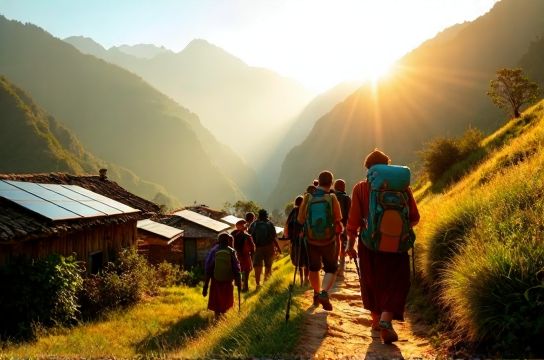
Why Active Travel Is the Future of Cultural Tourism
A 2023 report by the Adventure Travel Trade Association (ATTA) found that 68% of adventure travelers prioritize experiences that support local communities and preserve cultural heritage. That’s up from just 49% in 2018. People don’t just want to see history — they want to live it.
This shift isn’t just about fitness. It’s about authenticity. When you walk the Camino de Santiago, paddle a Māori waka in New Zealand, or join rice planting in Bali, you’re not a spectator — you’re a participant. And that connection? It sticks with you long after your tan fades.
Top 5 Active Travel Experiences That Keep Traditions Alive
Here are some standout trips where movement meets meaning — backed by real data on impact and traveler satisfaction:
| Experience | Location | Cultural Impact Score* | Physical Level | Local Income Boost |
|---|---|---|---|---|
| Camino de Santiago Trek | Spain | 9.2/10 | Moderate | +37% in rural villages |
| Bali Subak Cycling Tour | Indonesia | 8.8/10 | Easy-Moderate | +29% for farmers |
| Māori Waka Journey | New Zealand | 9.5/10 | Moderate | Funds language programs |
| Inca Trail to Machu Picchu | Peru | 9.0/10 | Challenging | 60% guides are Indigenous |
| Transylvania Village Hike | Romania | 8.5/10 | Easy | Preserves Saxon heritage |
*Cultural Impact Score based on community feedback, preservation efforts, and educational value (Source: ATTA & UNESCO Partnership, 2023)
How These Trips Make a Difference
Take the Inca Trail, for example. Permits are limited to 500 per day, ensuring low environmental impact. But more importantly, every tour must hire local Quechua guides and porters — directly supporting Indigenous livelihoods. In fact, tourism now accounts for over 20% of income in nearby Cusco households.
Or consider Bali’s Subak system — a 1,000-year-old irrigation method recognized by UNESCO. Cycling tours through these rice terraces don’t just showcase beauty; they fund farmer cooperatives that maintain this living tradition.
Tips to Choose the Right Experience
- Look for community-led tours: If the itinerary was designed by locals, it’s more authentic.
- Check group size: Smaller groups (under 12) have less impact and better interaction.
- Ask where your money goes: Reputable operators share breakdowns of income distribution.
The bottom line? Active travel isn’t just good for your body — it’s a powerful tool for cultural preservation. By choosing experiences that let you breathe life into old traditions, you become part of the story, not just a footnote.