
Touch History While Crafting Silver in Miao Villages
- Date:
- Views:386
- Source:The Silk Road Echo
Ever thought you could hold centuries of culture in your hands—literally? In the remote Miao villages of Guizhou, China, silver isn’t just jewelry—it’s heritage, identity, and artistry rolled into one. As a cultural travel blogger who’s spent over three years exploring indigenous craftsmanship, I’ve seen firsthand how these handcrafted silver pieces tell stories older than most modern nations.
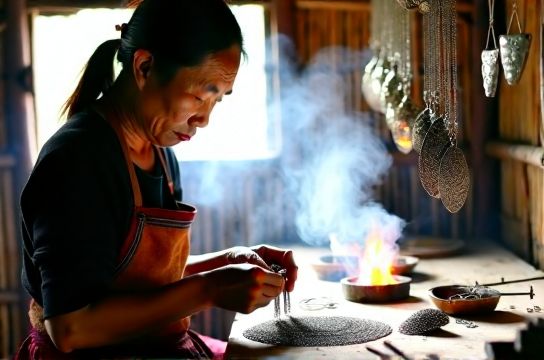
The Miao people have been forging silver for over 500 years, using techniques passed down through generations. And here’s a mind-blowing stat: some traditional headdresses can weigh up to 4 pounds (1.8 kg) and contain over 300 handmade components. That’s not fashion—that’s wearable history.
But what makes Miao silver truly special? It’s the process. Unlike mass-produced trinkets, every piece is forged by local artisans using age-old methods: melting, hammering, engraving, and assembling—all done without molds or machines. I visited Xijiang, one of the largest Miao villages, and watched a master craftsman spend over 80 hours on a single phoenix crown. That’s dedication.
Here’s a quick breakdown of common Miao silver items and their cultural meanings:
| Item | Avg. Weight (g) | Production Time (hrs) | Cultural Significance |
|---|---|---|---|
| Phoenix Headdress | 1200–1800 | 70–100 | Worn during weddings; symbolizes prosperity |
| Silver Necklaces | 300–600 | 20–40 | Family wealth display |
| Child Anklets | 50–100 | 10–15 | Protection from evil spirits |
Now, if you're planning to buy authentic Miao silver, skip the tourist markets in big cities. Head straight to the source. In villages like Xijiang or Langde, you’ll find family-run workshops where artisans still use coal-fired forges and hand-chiseled stamps. Plus, your purchase directly supports the community—not middlemen.
Pro tip: Visit during the Lusheng Festival (usually November). Not only do women wear their full silver regalia, but you can also watch live crafting demos. One elder artisan told me, “Our silver remembers our ancestors.” Chills, right?
And don’t worry about authenticity. Real Miao silver is usually marked with a tiny stamped character—often the artisan’s family name. Also, genuine pieces feel cold longer and have slight imperfections (that’s charm, not flaw).
If you’re passionate about cultural craftsmanship in Miao communities, this is your chance to own more than jewelry. You’re preserving a legacy. So next time you see that intricate pendant or delicate hairpin, remember—it’s not just silver. It’s memory, shaped by fire and hands.