
Wander Alleyways Where Songs of Pingtan Still Echo
- Date:
- Views:318
- Source:The Silk Road Echo
If you’ve ever wandered down a quiet Suzhou alley and heard the soft pluck of a pipa, followed by a lilting voice weaving stories of ancient love and betrayal—you’ve stumbled into the living world of Suzhou Pingtan. It’s not just music. It’s storytelling, history, and culture all rolled into one mesmerizing performance.
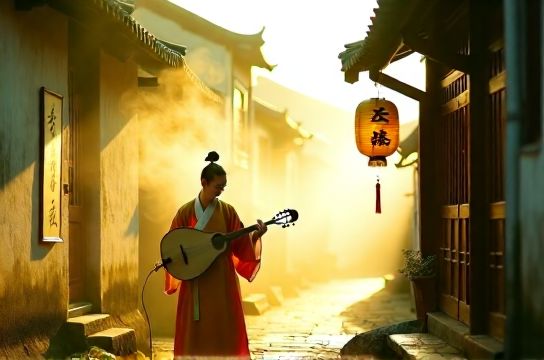
As someone who’s spent years exploring China’s traditional arts, I can tell you: Suzhou Pingtan is underrated. While tourists flock to the Grand Canal or classical gardens, the real soul of Suzhou hums quietly in teahouses and community halls. And if you know where to look, you’re in for an unforgettable cultural ride.
What Exactly Is Suzhou Pingtan?
Pingtan combines two art forms: pinghua (spoken storytelling) and tanchang (ballad singing). Performed mostly in the Wu dialect, it dates back over 400 years. Think of it as the podcast of imperial China—except with live music, drama, and tea.
Artists usually perform solo or in duos, using minimal props: a folding fan, a wooden clapper, and instruments like the pipa or sanxian. The stories? Epic romances, historical battles, courtroom dramas—you name it.
Where to Experience Authentic Pingtan in 2024
Tourist traps exist, sure. But the real gems are local spots where elders sip tea and nod along to every verse. Here’s where I recommend:
| Venue | Location | Price Range (CNY) | Language | Best For |
|---|---|---|---|---|
| Xuanmiao Teahouse | Guanqian Street, Suzhou | 30–50 | Wu dialect + Mandarin summary | First-timers |
| Linda Teahouse | Pingjiang Road | Free–80 | Mainly Wu dialect | Culture seekers |
| Suzhou Pingtan Museum Hall | Liuhe Community | Free (donation) | Bilingual signs | Deep divers |
Pro tip: Go on weekends between 2–4 PM. That’s when veteran performers take the stage. And don’t be shy—grab a cup of Biluochun tea and soak in the atmosphere.
Why Pingtan Matters More Than Ever
UNESCO lists Pingtan as an Intangible Cultural Heritage, and for good reason. Yet fewer than 15% of young locals can understand full performances due to dialect loss. That’s why grassroots efforts matter. Places like the Suzhou Pingtan Preservation Society are training new artists and offering subtitles during shows.
By attending a show, you’re not just being entertained—you’re helping keep a 400-year-old tradition alive.
Final Thoughts
Suzhou isn’t just about silk and gardens. Its heartbeat lies in narrow lanes where melodies drift from open windows. So next time you’re in town, skip the souvenir shops. Step into a teahouse. Listen. Let the stories wash over you.
Because sometimes, the oldest songs tell the truest stories.