
Off the Beaten Track in Hunan: Exploring Tujia and Miao Mountain Settlements
- Date:
- Views:233
- Source:The Silk Road Echo
Think you've seen China? Think again. While millions flock to the Great Wall or the Forbidden City, there's a quieter, wilder side of China whispering through the misty peaks of Hunan Province. Tucked into the lush mountains of western Hunan are centuries-old Tujia and Miao villages—places where wooden stilt houses cling to cliffs, silver jewelry jingles during ancient festivals, and traditions haven’t been diluted by time.
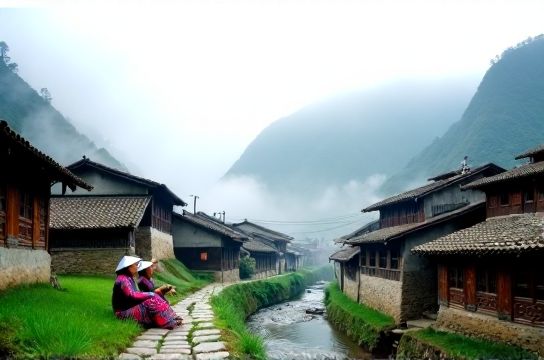
This isn’t your typical tourist trail. We’re talking about authentic cultural immersion, with zero pretense and maximum soul. Places like Fenghuang Ancient Town, Dehang Valley, and the remote Jiahe Village offer more than just Insta-worthy views—they're living museums of ethnic heritage.
Why Go Off-Grid in Hunan?
Hunan may be famous for spicy food (hello, Chairman Mao’s hometown!), but its mountainous west remains refreshingly untouched. Over 8 million ethnic minorities live here, mostly Tujia and Miao people, each with distinct languages, clothing, and customs.
The region boasts a UNESCO Global Geopark in Xiangxi, dramatic karst landscapes, and biodiversity that rivals Yunnan. But beyond nature, it's the culture that steals the show.
Cultural Gems & Must-Visit Spots
- Fenghuang – Often called "China’s most beautiful village," this ancient town straddles the Tuo River with cobblestone alleys and lantern-lit nights. Don’t miss a boat ride at dusk.
- Dehang Grand Canyon – Home to the Miao village of Shuanglong, this area features a suspension bridge over a 300-meter drop and terraced farms carved into cliffs.
- Jiahe Tujia Village – Far from crowds, locals still wear traditional brocade dresses and perform Bashi Dance, a ritual dance mimicking daily life.
Quick Travel Stats: Hunan Ethnic Regions (2023 Data)
| Metric | Value |
|---|---|
| Average Visitor Stay (Western Hunan) | 2.7 days |
| Tujia Population | ~8 million |
| Miao Population | ~9 million (nationwide) |
| Annual Ethnic Festivals | Over 50 |
| UNESCO Sites in Xiangxi | 1 (Geopark) |
Pro Tips for Travelers
- Best Time to Visit: April–June or September–October. Avoid Chinese holidays—crowds spike!
- Local Eats: Try sour fish soup (Miao specialty), blood tofu, and sticky rice in lotus leaves.
- Respect Customs: Ask before photographing people. Some rituals are sacred.
- Transport: Trains go to Jishou or Zhangjiajie, then minibuses to villages. Roads are winding—pack motion sickness pills!
Travel here isn’t about ticking boxes. It’s about sipping homemade rice wine with a Tujia grandmother, hearing Miao love songs echo across valleys, and realizing that real magic lives off the map.
If you crave depth over dazzle, let Hunan’s highlands rewrite your China story—one mountain step at a time.