
Chinese Youth Culture and the Growing Influence of Web Novels
- Date:
- Views:233
- Source:The Silk Road Echo
Hey there — I’m Alex, a digital culture strategist who’s spent the last 7 years tracking how Gen Z in China discovers, discusses, and *lives* stories. Forget what you think you know about ‘just scrolling’ — web novels aren’t side hobbies anymore. They’re the new social infrastructure.
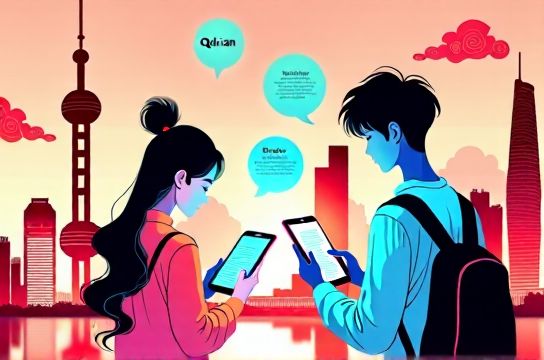
Let’s cut through the noise: In 2023, China’s web novel market hit **¥34.4 billion RMB** (Statista), with over **510 million active readers** — that’s more than the entire population of the US. And here’s the kicker: **72% of readers are under 30**, and 68% spend ≥90 minutes/day reading on platforms like Qidian, Fanqie, or Jinjiang.
Why does this matter? Because web novels shape values, slang, fashion trends, and even career choices. A 2024 CAICT report found that 1 in 3 Chinese college students cited a web novel as their top influence for choosing majors in creative writing, game design, or IP law.
But not all platforms are equal. Here’s how top services stack up:
| Platform | Monthly Active Users (2023) | % Under 25 | Avg. Session Duration | Top Genre |
|---|---|---|---|---|
| Qidian (Webnovel) | 128M | 59% | 42 min | Xianxia / Cultivation |
| Fanqie | 97M | 76% | 63 min | Romance / Modern HE |
| Jinjiang | 41M | 83% | 51 min | BL / Feminist LitRPG |
See that spike in Fanqie’s under-25 share? That’s where viral micro-chapters and TikTok-style cliffhangers meet algorithmic dopamine. Meanwhile, Jinjiang’s dominance among young women reflects how deeply these stories fuel identity exploration — 61% of its readers say they’ve joined fan communities to co-write endings or adapt stories into doujin art.
And yes — it’s serious business. Over **¥2.1B was invested in web novel IP adaptations** in 2023 alone (iResearch). Think *The King’s Avatar*, *Tomb Raider Legend*, or *Love Between Fairy and Devil*: all started as serialized web fiction. That’s why savvy creators now treat their first 10 chapters like a product MVP — testing hooks, pacing, and emotional resonance before going full-length.
If you're researching Chinese youth culture, don’t stop at Weibo or Xiaohongshu. Start with the comment sections of Chapter 37 — that’s where real-time cultural negotiation happens. And if you're building products, content, or brands targeting this demographic? You need to understand how web novels train attention, reward loyalty, and redefine narrative authority.
Bottom line: This isn’t just entertainment. It’s the operating system of a generation’s imagination — fluent in irony, allergic to exposition, and fiercely protective of its canon. Want the full data deck? Drop me a note — I’ll send the raw charts and platform API benchmarks.
Keywords: Chinese youth culture, web novels, Gen Z China, digital storytelling, IP adaptation, online literature, Qidian, Fanqie