
Urban Lives: The Identity Struggle of Migrant Youth
- Date:
- Views:275
- Source:The Silk Road Echo
In the pulsing heart of modern cities, a quiet crisis unfolds—one not of violence or poverty alone, but of identity. Migrant youth, caught between two worlds, navigate the tightrope of belonging in urban jungles where skyscrapers tower over cultural confusion. These young souls speak fluent slang on the streets but whisper ancestral prayers at home. They're building bridges across cultures, yet often feel at home in neither.
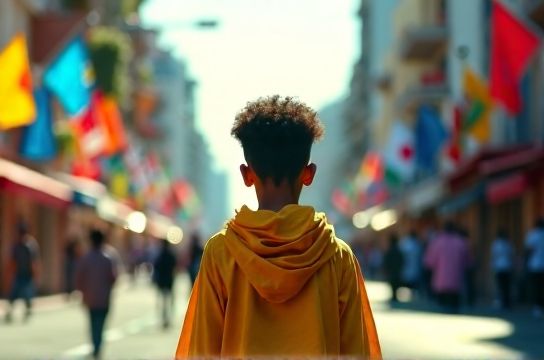
According to UNESCO, over 36 million children worldwide are international migrants. In major hubs like London, New York, and Toronto, up to 40% of youth in public schools come from immigrant families. Yet, despite their numbers, many struggle with fragmented identities—feeling too foreign for the mainstream, too modern for tradition.
The Cultural Split: Between Home and Street
Imagine this: A 16-year-old girl wears hijab at home but takes it off at school to 'fit in.' A boy codes apps by day but dances traditional folk steps at weddings, rolling his eyes the whole time. This duality isn’t hypocrisy—it’s survival.
Studies show that 68% of second-generation migrant youth report feeling 'culturally torn' (OECD, 2022). They juggle language shifts, value clashes, and fashion codes—all before lunch.
| City | % Migrant Youth (Ages 15–24) | Top Countries of Origin | Common Identity Challenges |
|---|---|---|---|
| London | 39% | Nigeria, India, Poland | Religious visibility, accent bias |
| Berlin | 32% | Turkey, Syria, Ukraine | Language fluency pressure, citizenship access |
| Sydney | 41% | China, India, Philippines | Family expectations vs. personal freedom |
| Toronto | 44% | India, China, Jamaica | Racial microaggressions, dual naming struggles |
This isn’t just about fitting in—it’s about being seen. Too often, schools and media erase hybrid identities, forcing kids into boxes: 'Are you British? Or Pakistani?' Why can't they be both?
Voices from the Fringe
'I code-switch so much I don’t know which me is real anymore,' says Amir, 19, whose parents moved from Morocco to Paris. 'At home, I’m Mohamed. At school, I’m Mark.'
These stories echo across continents. But here’s the twist: this struggle isn’t all pain. It’s also power. Migrant youth are cultural translators, innovation drivers, and empathy experts. Cities thrive because of them—not in spite of them.
Building Belonging: What Helps?
- Inclusive curricula: Teach migration histories, not just colonization.
- Multilingual spaces: Let kids speak Creole, Tagalog, or Yoruba without shame.
- Mentorship programs: Connect youth with adults who’ve walked the same path.
Cities like Amsterdam and Vancouver now fund 'identity labs' in schools—safe zones where youth explore heritage through art, tech, and storytelling. Early results? Dropout rates fell by 18% in participating schools.
The future isn’t about choosing one identity over another. It’s about weaving them together—patchwork pride. Migrant youth aren’t lost in transition. They’re building the blueprint for a global generation.