
The Rise of 'Lying Flat': Understanding China's Youth Rebellion Against Overwork
- Date:
- Views:354
- Source:The Silk Road Echo
In recent years, a quiet but powerful cultural shift has been brewing among China's youth. Tired of endless hustle culture and the relentless pressure to succeed, many young people are choosing to 'lie flat'—a term that's gone viral across social media and sparked nationwide debate.
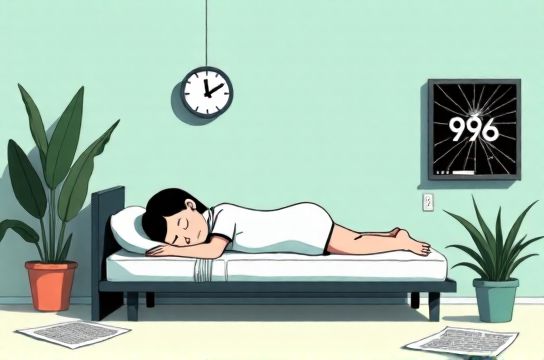
But what exactly does 'lying flat' mean? It’s not about laziness—it’s a conscious decision to step back from society’s rat race. Think of it as a digital detox for life itself: rejecting 996 work schedules (9 AM to 9 PM, 6 days a week), opting out of sky-high housing prices, and saying no to societal expectations like marriage and childbearing—all in pursuit of mental peace and personal freedom.
Data shows this isn’t just a passing trend. A 2023 survey by Peking University found that over 64% of millennials and Gen Z in China feel exhausted by work pressure, with nearly 40% admitting they’ve considered adopting a 'low-desire lifestyle.'
The Numbers Behind the Movement
To better understand the scale of this phenomenon, here’s a snapshot of key data:
| Statistic | Data | Source |
|---|---|---|
| Youth (18–35) reporting burnout | 64% | Peking University, 2023 |
| Supporters of 'lying flat' lifestyle | 37% | China Youth Daily Poll |
| Average workweek in tech sector | 54 hours | NBS China |
| Urban home price-to-income ratio | 30:1 (Beijing/Shanghai) | Numbeo, 2023 |
These numbers paint a clear picture: the dream of upward mobility is slipping away for many. With average home prices in major cities requiring 30 years of income to afford a modest apartment, and white-collar jobs demanding near-slave-level dedication, it’s no wonder young professionals are hitting pause.
Still, critics argue that 'lying flat' is a form of surrender. Government media has even labeled it 'social pessimism.' But supporters see it differently—it’s not defeat; it’s resistance through minimalism. By reducing consumption, avoiding debt, and working only enough to survive, they reclaim autonomy in a system that often feels rigged.
Some have taken it further—moving to rural areas, growing their own food, or freelancing online. They’re not unemployed; they’re unplugged.
So, is 'lying flat' the future? Probably not for everyone. But as global conversations around work-life balance grow louder—from Spain’s four-day week trials to Japan’s rising 'ikigai' movement—China’s youth may be onto something deeper: a redefinition of success itself.
In the end, 'lying flat' isn’t about doing nothing. It’s about choosing what matters. And sometimes, lying down is the bravest way to stand up.