
How Chinese Youth Culture Shapes Future Consumption Habits
- Date:
- Views:279
- Source:The Silk Road Echo
China's young generation isn't just growing up — they're rewriting the rules of consumption. Born between 1995 and 2010, China's Gen Z and Millennials are now the driving force behind market trends, digital innovation, and cultural shifts. With over 280 million youth consumers in this age group, their preferences are no longer niche — they're national benchmarks.
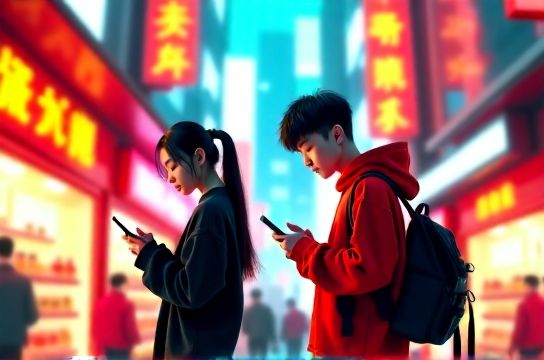
Unlike previous generations, Chinese youth grew up amid rapid urbanization, tech boom, and global connectivity. They’re fluent in digital platforms like Douyin (TikTok), Xiaohongshu (Little Red Book), and Bilibili — not just for entertainment, but as shopping guides and identity hubs. In fact, 76% of Gen Z say they discover new brands through social media, according to a 2023 McKinsey report.
But what really defines their spending? It’s not just about products — it’s about meaning. These consumers value authenticity, self-expression, and social responsibility. They’ll pay more for eco-friendly packaging or support homegrown brands that reflect Chinese heritage. Take Li-Ning, once seen as outdated, now rebranded with 'China Chic' aesthetics — sales surged by 56% in 2022 after tapping into youth-driven nationalism.
Here’s a snapshot of how Chinese youth shape key sectors:
| Sector | Youth Influence | Growth Rate (2023) |
|---|---|---|
| Beauty & Skincare | Preference for K-beauty inspired routines + local innovations | +18.5% |
| Fashion | Rise of Guochao (国潮) — domestic cool | +22.3% |
| Food & Beverage | Crazy for limited-edition collabs (e.g., tea x Pokémon) | +31.7% |
| Entertainment | Fan economy drives music, gaming, virtual idols | +26.8% |
Their wallets follow their values. Sustainability? Big yes. A 2024 survey found that 68% of youth consumers actively avoid brands with poor environmental records. Mental wellness matters too — apps like HeyDay and Lemon House offer mindfulness tools, backed by millions of monthly active users under 25.
And let’s talk about 'xiaozi' (小资) lifestyle — not luxury for show, but curated quality. Think oat milk lattes, indie bookstores, and vintage fashion. This mindset fuels demand for experiences over ownership, pushing brands to create immersive pop-ups or AR try-ons.
In short, Chinese youth aren’t just buying stuff — they’re building culture. Brands that listen, adapt, and stay genuine will win loyalty. The future of consumption in China isn’t dictated by ads — it’s shaped by what scrolls past on a 19-year-old’s phone at midnight.