
Food Culture Shifts in Big Chinese Cities
- Date:
- Views:353
- Source:The Silk Road Echo
Move over, dumplings and baozi — big-city China is getting a serious culinary glow-up. From Shanghai’s sky-high rooftop bars to Chengdu’s underground spice labs, urban food culture across China is evolving faster than you can say 'xièxie' (thanks!). Young professionals, digital nomads, and food-obsessed Gen Zers are reshaping what, where, and how people eat — and it’s not just about tradition anymore.
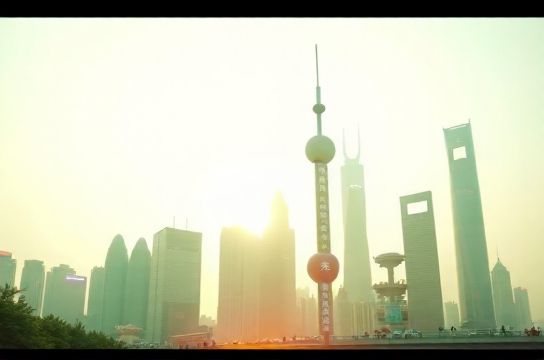
Gone are the days when street stalls ruled supreme. Sure, they’re still delicious (and cheap!), but today’s city dwellers crave experience as much as flavor. A recent 2023 McKinsey report found that over 68% of consumers in Tier-1 cities now prioritize ‘dining ambiance’ and ‘Instagrammability’ when choosing restaurants — up from just 41% in 2019.
The Rise of Fusion & Global Flavors
In Beijing, you’ll find ramen joints serving Sichuan-spiced broth. In Shenzhen, Korean-Mexican tacos fly off the menu at late-night pop-ups. International flavors aren’t just trendy — they’re mainstream. According to Meituan’s 2024 Food Trends Report, sales of non-Chinese cuisines grew by 27% year-on-year in major cities, with Japanese, Thai, and Italian leading the pack.
But here’s the twist: it’s not just imitation. Chefs are fusing cultures like never before. Think Peking duck croissants, yuzu margaritas, or mapo tofu ramen. These hybrid dishes reflect a generation that’s globally connected yet proudly local.
Digital Dining: The App Revolution
No more wandering streets hunting for eats. Apps like Meituan and Dianping have turned food discovery into a swipe-and-order game. In 2023, over 85% of restaurant visits in cities like Guangzhou and Hangzhou started with an app search. Ratings, photos, and user reviews now influence decisions more than word-of-mouth.
And delivery? It’s exploded. Alibaba’s data shows food delivery revenue in urban China hit $76 billion in 2023, with average order frequency doubling since 2020. Singles and busy workers drive demand — nearly 60% of orders come from solo diners.
Sustainability & Health: The Quiet Revolution
While spicy hotpot still rules, there’s a growing appetite for clean eating. Organic produce, plant-based meats, and low-sugar desserts are popping up in upscale neighborhoods. Starbucks launched its ‘Green Menu’ in Shanghai; meanwhile, homegrown brands like Oatly China saw a 40% sales jump in 2023.
Young urbanites care about where food comes from. A 2024 survey by EcoMonitor Asia revealed that 54% of Shanghai residents actively avoid single-use plastics when ordering takeout — a sharp rise from 29% in 2020.
Where Tradition Meets Trend
Don’t get it twisted — heritage isn’t dead. In fact, many new spots are reimagining classics with modern flair. Take Xi’an’s famous roujiamo: now served in gourmet sandwich bars with truffle oil and heirloom pork. Or Cantonese dim sum reinvented as bite-sized art pieces in Hong Kong’s Michelin-starred lounges.
The balance between old and new is key. As one food blogger put it: “We want our roots, but we also want rooftop views and cold brew.”
City Food Scene Snapshot
| City | Fave New Cuisine | Avg. Meal Cost (USD) | Delivery Growth (YoY) |
|---|---|---|---|
| Shanghai | Fusion French-Chinese | $18 | 32% |
| Beijing | Japanese Ramen | $15 | 25% |
| Chengdu | Spicy Vegan | $10 | 40% |
| Shenzhen | Korean-Mexican | $20 | 48% |
The bottom line? China’s urban food scene isn’t just changing — it’s reinventing itself. Whether you're slurping artisanal noodles or snapping a latte art pic in a zero-waste café, one thing’s clear: the future of Chinese food is bold, diverse, and deliciously unpredictable.