
Fashion Trends Among Chinese Gen Z
- Date:
- Views:501
- Source:The Silk Road Echo
If you're trying to understand the pulse of global fashion today, look no further than China's Gen Z. Born between 1995 and 2010, this digitally native generation is reshaping style with bold choices, cultural pride, and a love for blending tradition with streetwear flair.
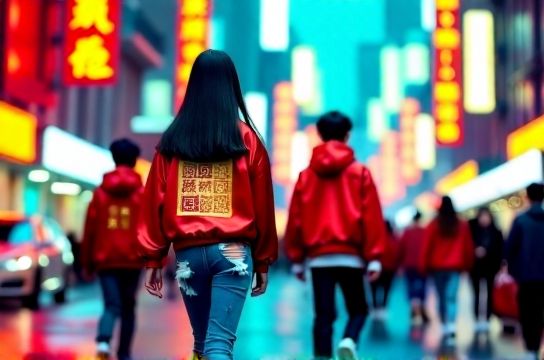
Unlike previous generations, Chinese Gen Z doesn’t just follow trends—they create them. Platforms like Xiaohongshu (Little Red Book) and Douyin (China’s TikTok) are their runways, where a single viral post can turn an obscure local brand into a national sensation overnight.
One major shift? The rise of 'Guochao'—or 'national trend'—where young consumers proudly wear homegrown brands that fuse traditional Chinese elements with modern design. Think Hanfu-inspired jackets at Coachella or Li-Ning sneakers stomping down Milan Fashion Week.
According to a 2023 report by McKinsey, over 68% of Chinese Gen Z prefer domestic fashion labels over Western luxury brands, citing authenticity and cultural relevance as key drivers.
Top Fashion Preferences Among Chinese Gen Z (2024)
| Trend | Popularity (Out of 10) | Key Brands | Avg. Monthly Spend (CNY) |
|---|---|---|---|
| Guochao (National Style) | 9.2 | Li-Ning, Peacebird, Bosideng | 860 |
| Streetwear & Sneakers | 8.7 | CLOT, ROARINGWILD, FMACM | 740 |
| Vintage & Secondhand | 7.5 | Plum, Feizhu, Xianyu | 320 |
| Luxury Imports | 6.3 | Gucci, Balenciaga, Nike | 1,100 |
What’s clear is that spending isn’t just about logos—it’s about identity. While luxury imports still attract high spenders, Guochao dominates in both emotional connection and frequency of purchase.
Sustainability is another quiet revolution. Though not always the top priority, 57% of Gen Z say they consider eco-friendliness when buying clothes, according to a 2024 survey by Alibaba’s Tmall. Thrifting apps like Xianyu have seen a 140% year-on-year growth in users aged 18–26.
And let’s talk gender fluidity. Androgynous styles are on the rise, especially in cities like Shanghai and Chengdu. Unisex collections from brands like Particle Fever (known for minimalist sportswear) are flying off virtual shelves.
Influencers play a huge role too. Micro-influencers with under 500K followers often drive more trust than celebrities. A single outfit post on Xiaohongshu can generate thousands of reshares and spark new sub-trends like 'office Hanfu' or 'cyber-Ming aesthetics.'
So what’s next? Expect more tech integration—AR try-ons, NFT fashion collectibles, and AI-powered personal stylists are already gaining traction. But at the heart of it all remains a powerful message: fashion as cultural expression.
For brands, the lesson is simple: don’t just sell clothes. Tell a story that resonates—with heritage, innovation, and a little digital swagger.