
Family Planning Legacy in Today's China Society
- Date:
- Views:206
- Source:The Silk Road Echo
In today’s fast-evolving Chinese society, the shadow of the one-child policy still lingers—quietly shaping families, economies, and cultural mindsets. Though officially replaced by a two-child (and later three-child) policy, the legacy of decades of family planning runs deep. Let’s dive into how this monumental policy has transformed modern China—and what it means for families today.
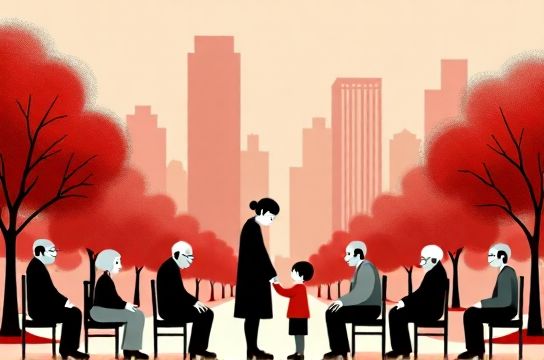
The Numbers Behind the Shift
From 1979 to 2015, China’s one-child policy limited most urban families to a single child. The goal? Curb population growth. And it worked—sort of. Population growth slowed, but at a cost: gender imbalance, aging demographics, and shrinking workforces.
Check out this snapshot of key demographic changes:
| Year | Total Fertility Rate | Population (Billion) | Aged 65+ (% of total) |
|---|---|---|---|
| 1980 | 2.7 | 0.98 | 4.9% |
| 2000 | 1.6 | 1.27 | 7.0% |
| 2020 | 1.3 | 1.41 | 13.5% |
| 2023 (est.) | 1.0–1.1 | 1.43 | 15.4% |
As you can see, fertility has plummeted below replacement level (2.1), and seniors now make up a growing slice of society. That’s a ticking time bomb for pensions, healthcare, and labor supply.
One Child, Many Consequences
Growing up as an only child in urban China meant being the ‘little emperor’—doted on by parents and four grandparents. While that sounds sweet, it created pressure cooker dynamics. Academic success wasn’t just encouraged—it was demanded. Family hopes rested on one tiny pair of shoulders.
And let’s talk gender. With a cultural preference for sons, sex-selective abortions led to a massive gender imbalance. In 2020, there were 112 boys born for every 100 girls. That gap means millions of men may never marry—a social time bomb with ripple effects across housing, crime, and mental health.
Policy Flip-Flops and Public Response
In 2016, China relaxed the rule: two kids allowed. Then in 2021, three. But here’s the kicker—people aren’t rushing to have more babies. Why?
- Cost: Raising a child in a Chinese city can cost over $100,000 by age 18.
- Career impact: Women fear job discrimination after maternity leave.
- Housing: Tiny apartments = no room for baby cribs.
The government’s offering incentives—subsidies, extended leave, tax breaks—but trust is low. After decades of being told to have fewer kids, people are skeptical about suddenly being told to have more.
What’s Next?
China isn’t alone—Japan, South Korea, and even the U.S. face falling birthrates. But China’s situation is unique due to the scale and speed of its policy shift.
To reverse the trend, experts suggest real structural change: affordable childcare, gender-equal workplaces, and housing reform. Without these, slogans like “Support Three Children!” will fall flat.
The family planning era may be over, but its echoes shape everything from who gets married to who cares for the elderly. Understanding this legacy isn’t just about history—it’s about building a sustainable future.