
The Influence of Kpop on Chinese Teenagers Today
- Date:
- Views:526
- Source:The Silk Road Echo
If you've been anywhere near a Chinese high school or university campus lately, you've probably heard it — the infectious beats of BTS, the slick choreography of BLACKPINK, or the dreamy ballads of EXO. Kpop isn’t just music; it’s a cultural wave crashing over China’s youth, and its impact is deeper than you might think.
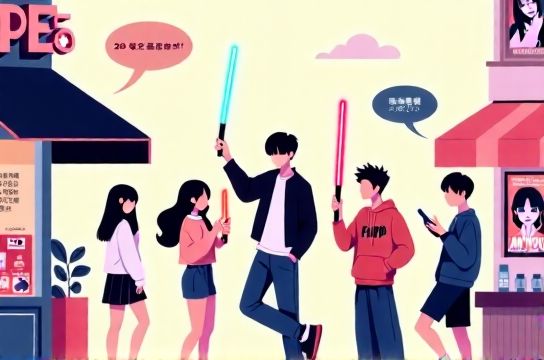
Chinese teenagers are not just passive listeners — they’re full-on participants. From learning Korean to mimic makeup styles, from dancing in subway flash mobs to spending thousands on limited-edition albums, Kpop has become a lifestyle for many.
The Numbers Don’t Lie
A 2023 survey by YouGov China found that 68% of urban teens aged 15–22 regularly consume Kpop content. Platforms like Bilibili and Weibo report over 4 million daily interactions related to Kpop idols. Even TikTok China (known as Douyin) shows a 40% increase in Kpop dance challenge videos year-over-year.
| Platform | Kpop-Related Monthly Active Users | Top Kpop Acts Followed |
|---|---|---|
| 27 million | BTS, BLACKPINK, SEVENTEEN | |
| Bilibili | 15 million | Stray Kids, TWICE, NCT |
| Douyin | 32 million | ITZY, NewJeans, ATEEZ |
Why Is Kpop So Addictive?
It’s not just the music. Kpop offers a complete package — visuals, performance, storytelling, and fan engagement. Most idols train for years before debuting, which means polished vocals, razor-sharp dance moves, and camera-ready charisma.
For Chinese teens, who often face intense academic pressure, Kpop becomes an emotional escape. It’s colorful, energetic, and empowering. A study from Fudan University revealed that 57% of teen fans said Kpop helped reduce their anxiety and boosted self-expression.
Cultural Exchange or Cultural Invasion?
Not everyone’s cheering. Some state media outlets have criticized Kpop for promoting 'excessive admiration of foreign cultures' and influencing youth values. In 2022, a commentary in Global Times warned about 'soft cultural infiltration.'
Yet, instead of rejection, what we’re seeing is adaptation. Many young fans don’t abandon Chinese culture — they blend it. You’ll find fans creating Hanfu-themed dance covers of Kpop songs or using traditional instruments in remixes. It’s not imitation; it’s innovation.
The Ripple Effects
- Language Learning: Over 120,000 Chinese students enrolled in beginner Korean courses in 2023 (up 35% from 2021).
- Fashion Trends: Korean streetwear brands like Stylenanda and Mixxmix have seen a 50% sales jump in China.
- Dance Studios: Urban cities now host over 1,200 Kpop dance academies, many run by teen instructors.
Kpop isn’t just shaping tastes — it’s shaping careers. Aspiring dancers, vocal coaches, content creators, and even fashion designers are emerging from this fandom-fueled ecosystem.
The Future? Hybrid Idols and Localized Kpop
Smart companies are catching on. HYBE and SM Entertainment now scout Chinese talents and launch Sino-Korean groups like WayV and YOUNG POSSE. These hybrid acts sing in Mandarin, perform at Chinese festivals, and respect local sensibilities — while still delivering that signature Kpop flair.
The truth is, Kpop’s influence won’t fade. It’s evolving. And Chinese teens? They’re not just following the trend — they’re rewriting it.