
The Cost of Success in Chinese Academic Culture
- Date:
- Views:265
- Source:The Silk Road Echo
In the hustle of China’s hyper-competitive education system, success often comes at a steep price. From primary school to college entrance exams, students are pushed to excel—sometimes beyond their limits. But what does this relentless pursuit of academic excellence truly cost? Let’s dive into the emotional, physical, and social toll behind the high scores.
The Pressure Cooker: Gaokao and Beyond
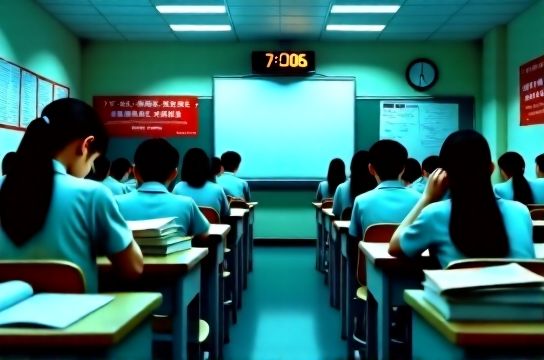
No conversation about Chinese academic culture is complete without mentioning the Gaokao—the national college entrance exam. It's not just a test; it's a life-defining event. Over 10 million students take it each year, competing for spots in top universities with acceptance rates sometimes below 2% for elite schools like Tsinghua or Peking University.
Students routinely study 12+ hours a day during senior year. A 2023 survey by the China Youth Daily found that 78% of high schoolers report chronic sleep deprivation, averaging less than 6 hours of sleep per night. Mental health? Alarmingly fragile. The same study revealed that over 40% of students show symptoms of anxiety or depression.
By the Numbers: The Hidden Costs of High Achievement
Beneath the surface of soaring test scores lies a complex web of sacrifice. Here’s a snapshot of key data:
| Metric | Data | Source |
|---|---|---|
| Average daily study time (Grade 12) | 11.5 hours | MOE Survey, 2023 |
| Sleep duration (teens) | 5.8 hours | China CDC, 2022 |
| Youth anxiety prevalence | 42% | Journal of Child Psychology, 2023 |
| Gaokao participation (2024) | 12.91 million | Ministry of Education |
| Tsinghua University admission rate | ~1.8% | Institutional Data |
The Family Factor: When Dreams Become Burdens
It’s not just students under pressure—entire families invest emotionally and financially. Parents spend thousands on after-school tutoring, despite government crackdowns on private coaching. In 2022, urban families spent an average of CNY 28,000 (~USD 3,900) annually per child on supplementary education. That’s nearly a third of the average disposable income in cities like Chengdu or Wuhan.
Yet, this investment isn’t always about love—it’s about legacy, pride, and societal expectation. In many households, a child’s Gaokao score isn’t just a grade; it’s a reflection of family honor.
Is There a Way Out?
Reform is slowly coming. The 'Double Reduction' policy aims to ease homework loads and curb tutoring, but results are mixed. Some students feel relieved; others worry they’re falling behind. Meanwhile, alternative paths—like vocational education or studying abroad—are gaining traction, though still stigmatized by traditional mindsets.
Experts suggest a cultural shift is needed—one that values well-being as much as achievement. As one Shanghai high school counselor put it: “We’re producing perfect test-takers, but are we raising resilient humans?”
Final Thoughts
The cost of success in Chinese academic culture is real and rising. While discipline and dedication yield impressive outcomes, they shouldn’t come at the expense of mental health and childhood joy. The challenge now? Redefining what success truly means—in classrooms, homes, and society at large.