
Social Phenomena China Uncovered with Local Insight
- Date:
- Views:333
- Source:The Silk Road Echo
Ever wondered why Chinese people queue so politely, yet scramble for subway seats like it's Black Friday? Welcome to the fascinating world of China's social phenomena—a mix of tradition, modernity, and sheer population pressure. Let’s dive into the real stories behind the headlines, with local insight you won’t find in travel brochures.
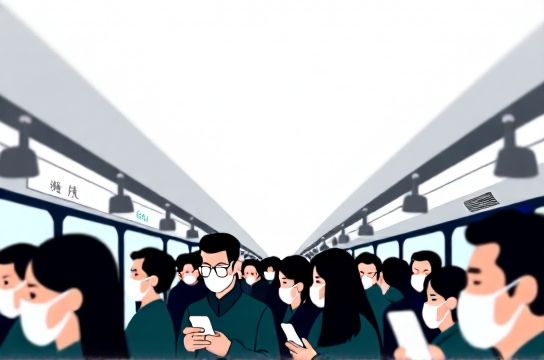
The Paradox of Politeness and Rush
In China, respect for elders is deeply rooted. But hop on a Beijing subway during rush hour, and you’ll see young folks sprinting for seats while grandma stands holding a cabbage. Why? It’s not rudeness—it’s survival. With over 8 million daily riders on Beijing’s subway alone, space is gold.
| City | Daily Subway Riders (Million) | Peak Hour Density (People/m²) |
|---|---|---|
| Beijing | 8.2 | 6.3 |
| Shanghai | 7.9 | 6.1 |
| Guangzhou | 6.5 | 5.8 |
| Shenzhen | 5.7 | 5.4 |
Data shows density often exceeds 5 people per square meter—that’s sardine-level packing. So when locals ‘rush,’ it’s less about greed and more about securing a spot before the doors shut.
The Hidden Rules of Queue Culture
You might think China lacks queuing etiquette. Not true. There’s just an invisible rulebook. In banks or hospitals, lines are respected. But at tourist spots or sales events? All bets are off. Why? Because guanxi (关系)—personal connections—often trump fairness. If your aunt knows the ticket seller, guess who gets first dibs?
This isn’t corruption; it’s cultural. Over centuries, trust was built through relationships, not systems. So when opportunity knocks—like limited iPhone stock or concert tickets—people act fast, fearing the system won’t protect their turn.
Digital Life: More Than Just WeChat
Scan a QR code to pay for street buns. Use facial recognition to enter your apartment. In China, tech isn’t futuristic—it’s Tuesday. Over 90% of urban consumers use mobile payments daily. Cash? Good luck finding a vendor who accepts it.
But here’s the twist: while tech connects people, it also isolates. Young adults glued to Douyin (China’s TikTok) scroll silently in family dinners. A 2023 survey found that 68% of Gen Z feels lonely despite being ‘always online.’
The Marriage Pressure Cooker
It’s not just parents asking, “When marriage?” It’s society. In cities like Shanghai, single women over 27 are labeled sheng nu (剩女), or “leftover women.” Harsh? Yes. Real? Absolutely.Yet, more women are saying no. Education levels have soared—over 52% of university grads are female—and careers matter more than settling for Mr. Wrong.
Final Thoughts: Understanding > Judging
China’s social quirks aren’t random. They’re shaped by history, population, and rapid change. Next time you see someone cutting line or obsessing over WeChat red packets, remember: there’s a story behind the action.
Want deeper insight? Talk to locals. Not tourists. Grab a tea, say nǐ hǎo, and listen. That’s where real understanding begins.