
Online Buzzwords China Unpack the Latest Internet Phenomena and Their Impact
- Date:
- Views:219
- Source:The Silk Road Echo
China's internet culture is a wild ride—fast, funny, and sometimes totally baffling to outsiders. One day it's dazi (big guy), the next it's neijuan (involution)—but what do these online buzzwords really mean, and why should you care? Let’s dive into the digital slang storm sweeping across Weibo, Douyin, and Xiaohongshu.
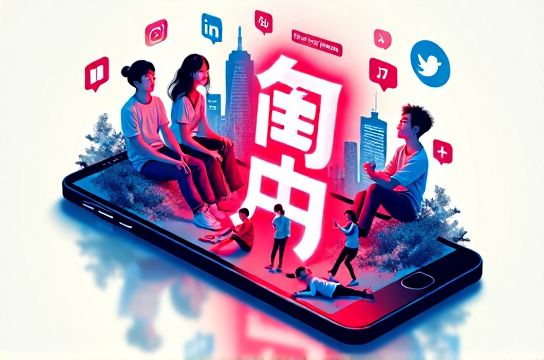
Why Chinese Netizens Love Slang
In China, internet slang isn’t just cute nicknames—it’s social commentary, emotional release, and identity all rolled into one. With over 1 billion netizens, language evolves at lightning speed. A single phrase can go viral in hours, reflecting everything from economic anxiety to Gen Z rebellion.
Take ‘tangping’ (lying flat). It started as a quiet protest against burnout culture and exploded into a national debate. Or ‘fanquan’—fan circles so intense they’ve sparked government crackdowns. These aren’t just words; they’re cultural movements hiding in plain sight.
Top 5 Viral Buzzwords of 2024
Here’s a cheat sheet for decoding China’s latest online lingo:
| Buzzword | Literal Meaning | Cultural Context | Search Volume (Monthly) |
|---|---|---|---|
| 内卷 (neijuan) | Involution | Hyper-competition in work/school | 2.3M |
| 躺平 (tangping) | Lying flat | Rejecting societal pressure | 1.8M |
| 破防 (pofang) | Emotional defense broken | Feeling deeply moved or upset | 950K |
| 社死 (she si) | Social death | Extreme embarrassment online | 1.2M |
| 电子榨菜 (dianzi zhacai) | Electronic pickles | Comfort content while eating alone | 670K |
As you can see, these terms aren’t random—they reflect real-life struggles. 'Neijuan' captures the exhaustion of endless competition, while 'dianzi zhacai' speaks to loneliness in a fast-paced urban world.
The Power Behind the Words
What makes these phrases stick? They’re relatable, meme-friendly, and often born from shared frustration. But there’s also risk. The government has cracked down on terms like fanzhui (fan obsession) due to concerns over youth influence.
Still, netizens adapt fast. When one term gets censored, a new one pops up—like using 'xueba' (study god) instead of 'neijuan' to describe academic grind culture.
How Brands Are Riding the Wave
Smart marketers are tuning in. In 2023, beverage brand Yuanqi Forest used 'tangping' in a campaign promoting relaxation, sparking both praise and backlash. Why? Because misusing slang feels cringe—and Chinese youth know authenticity when they see it.
If you're entering the Chinese market, don’t just translate—understand. These buzzwords are windows into mindset shifts, not just trends.
Final Thoughts
China’s online buzzwords are more than memes—they’re social barometers. Whether it’s burnout, identity, or digital fatigue, each phrase tells a story. So next time you see 'pofang' trending, don’t scroll past. Ask: what emotion is breaking through?