
Urban Isolation in Megacities: Why Young Chinese Are Choosing Emotional Minimalism
- Date:
- Views:275
- Source:The Silk Road Echo
Let’s be real—city life in China’s megacities like Beijing, Shanghai, or Shenzhen sounds exciting from the outside. Skyscrapers, late-night bubble tea runs, endless job opportunities… but for a growing number of young people, it feels more lonely than lively. Despite being surrounded by millions, many are choosing emotional minimalism—less drama, fewer deep connections, and a quiet retreat from constant social pressure. So what’s really going on?
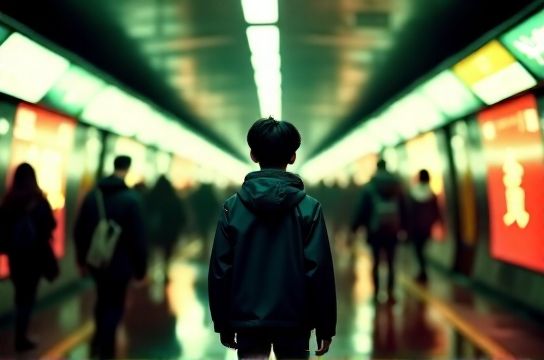
It’s not that they don’t want love or friendship. It’s just… exhausting. The grind is relentless. Long work hours, sky-high rent, and the unspoken rule that you’ve gotta keep up appearances—even if you’re barely holding it together. One 27-year-old tech worker in Hangzhou put it bluntly: “I used to go out every weekend trying to network or date. Now? I’d rather stay home, watch a show, and not talk to anyone.” He’s not alone.
Emotional minimalism isn’t about being cold or antisocial. It’s a survival tactic. In a culture where family expectations and social face (you know, *mianzi*) still weigh heavily, younger generations are quietly rebelling by opting out. They’re saying no to forced office gatherings, avoiding messy relationship drama, and even skipping hometown visits during holidays. Instead, they’re curating smaller, safer emotional spaces—maybe one close friend, a pet, or just their journal.
Social media plays a weird double role here. On one hand, platforms like Xiaohongshu or Douyin help people feel connected. On the other, they fuel comparison. Scroll through and you’ll see everyone landing dream jobs, traveling to Bali, or posting perfect couple content. Meanwhile, your reality is overtime at the office and instant noodles for dinner. No wonder so many are pulling back.
Interestingly, this shift is reshaping urban culture. Cafes are adding more solo seating. Co-living spaces now promote ‘quiet zones.’ Even dating apps are catching on—some now feature options like ‘low-drama only’ or ‘emotionally detached fun.’ It’s like the whole city is whispering: *I’m here, but please don’t demand too much from me.*
And let’s talk about the housing thing. Ever tried finding a decent apartment in Shanghai under ¥6,000? Good luck. Many young workers end up in shared flats with strangers, where privacy is rare and personal space is sacred. When your bedroom doubles as your office and gym, emotional boundaries aren’t just nice—they’re necessary.
So is this loneliness? Maybe. But it’s also self-preservation. These young urbanites aren’t giving up on connection—they’re redefining it. Less obligation, more intention. They’d rather have one real conversation a month than ten shallow ones a week.
In a way, emotional minimalism is becoming the new normal—a quiet revolution in how people relate in overcrowded cities. It’s not about isolation for the sake of it. It’s about protecting your peace when the world won’t slow down.
Cities may never feel small, but for many young Chinese, that’s okay. They’re learning to live lightly, love cautiously, and breathe easier—one quiet moment at a time.