
The Hidden Logic Behind China’s Wedding Banquet Culture: More Than Just Celebration
- Date:
- Views:353
- Source:The Silk Road Echo
You’ve probably seen those massive Chinese wedding banquets—hundreds of guests, endless rounds of toasts, and enough food to feed a small village. But here’s the thing: it’s not just about throwing a big party. There’s actually some deep cultural logic behind China’s wedding banquet culture that goes way beyond celebration.
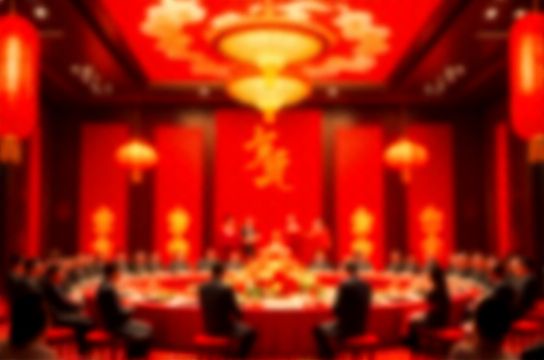
First off, let’s talk numbers. In many Chinese cities, it’s totally normal for couples to host 20, 30, or even 50 tables at their wedding banquet. Each table seats 10 people. That’s 500 guests minimum. And no, they’re not just inviting close friends and family. Think distant cousins, coworkers, neighbors, your dad’s old college roommate—he’s coming too. Why? Because in Chinese culture, a wedding banquet isn’t just a personal event; it’s a social announcement. It’s how you say, ‘Hey world, we’re officially married,’ and you want the whole world to know.
But there’s more. The banquet is also a display of respect—and face. In Chinese society, ‘face’ (or mianzi) matters a lot. Hosting a big, lavish banquet shows that the couple—and especially their families—have status, resources, and social connections. It’s not bragging (well, maybe a little), but it’s a way of showing gratitude and maintaining relationships. When you invite someone, you’re saying, ‘We value you.’ And when they show up and give a red envelope (that’s the hongbao with cash inside), they’re returning the favor.
And speaking of red envelopes—yeah, they’re kind of a big deal. The money inside isn’t just a gift; it’s practical support. Weddings are expensive, and these contributions help cover costs. In a way, the banquet operates like a semi-formal crowdfunding system. Everyone chips in, and everyone benefits. It’s tradition meeting real-life economics.
Another interesting angle? The seating chart. Don’t think it’s random. Nope. Where you sit at a Chinese wedding tells a story. Immediate family up front. Relatives grouped by branch. Work colleagues kept together. It’s a subtle map of social hierarchy and relationship closeness. Mess up the seating, and yeah, Auntie Li might be offended.
Also, the food—oh man, the food. Eight, ten, even twelve courses. Symbolic dishes like whole fish (for abundance), chicken (for family unity), and sweet lotus root (for a sweet future). Every dish has meaning. It’s not just feeding people; it’s blessing the marriage through cuisine.
Now, younger generations are starting to rethink this model. Some opt for smaller banquets, destination weddings, or even skip the banquet altogether. But even then, they often still hold *some* kind of gathering. Why? Because the banquet isn’t really about the meal—it’s about connection, community, and continuity.
So next time you see a viral video of a packed Chinese wedding hall with dancers, speeches, and fireworks indoors (yes, really), remember: it’s not excess. It’s tradition, identity, and social glue—all served with soup and Peking duck.