
The Digital Face of Chinese Social Movements: Hashtag Activism with Local Nuance
- Date:
- Views:297
- Source:The Silk Road Echo
When we think of social movements, images of street protests and mass rallies often come to mind. But in China, activism has taken a quieter, yet powerful turn—online. With strict regulations on public gatherings and open dissent, digital platforms have become the new battleground for social change. Welcome to the world of hashtag activism in China, where coded language, trending topics, and collective digital gestures speak volumes—without saying too much.
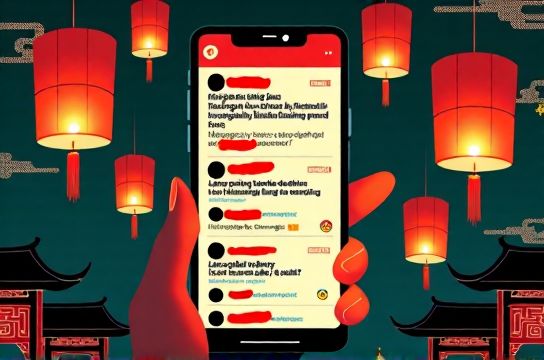
Unlike Western models of viral hashtags like #BlackLivesMatter or #MeToo, Chinese netizens navigate a complex web of censorship and surveillance. So how do they make their voices heard? Through creativity, humor, and linguistic ingenuity. Take the case of "#RiceBunny" (谐音梗), a playful homophone for "Xi Jinping" used in early online discussions. Though quickly scrubbed by censors, it highlighted how users weaponize wordplay to bypass filters. While such direct challenges are rare and risky, more subtle forms of digital resistance thrive under the radar.
One notable example is the rise of feminist discourse on Weibo. Campaigns like #MetooInChina sparked widespread conversation about sexual harassment, especially in academia and the workplace. Though posts get deleted and accounts suspended, the dialogue persists—reshared through private groups, encrypted apps, and even disguised as celebrity gossip. The movement isn’t about overthrowing systems; it’s about shifting cultural norms, one viral post at a time.
Environmental issues also gain traction online. When a factory leak threatened a local water supply, citizens didn’t just protest—they flooded social media with photos of discolored rivers tagged #ClearWaterForOurKids. The campaign gained national attention, forcing officials to respond. Here, hashtags aren’t calls for regime change but demands for accountability within the existing system.
Then there’s labor rights. Migrant workers, often invisible in mainstream media, use Douyin (China’s TikTok) to share stories of unpaid wages and unsafe conditions. A video of a construction worker singing about his struggles went viral, sparking a wave of similar content under #SingingForWages. Public pressure led to swift government intervention—proving that visibility can drive real-world outcomes.
What makes Chinese digital activism unique is its blend of caution and courage. Users know the red lines. They don’t shout revolution; they whisper reform. Emojis, memes, and seemingly innocent phrases carry layered meanings understood by the community but opaque to censors. This 'local nuance' turns everyday netizens into savvy political actors.
Platforms like WeChat, Weibo, and Xiaohongshu aren’t just for shopping or sharing meals—they’re digital town squares. And while the state monitors closely, it also responds. Online outrage over medical fraud, school safety, or corruption often leads to investigations and policy tweaks. The government listens—not because it’s democratic, but because maintaining social stability is a top priority.
So, does hashtag activism in China lead to real change? Not always in the way we expect. There’s no sweeping legislation born from a trending topic. But small wins—firing corrupt officials, improving working conditions, raising awareness—add up. More importantly, these digital spaces build solidarity. They remind people they’re not alone.
In a country where silence is often safest, choosing to speak—even in code—is an act of resistance. Chinese netizens aren’t fighting with banners; they’re fighting with bytes. And in doing so, they’re reshaping what activism looks like in the 21st century.