
Inside China's Youth Movement and Modern Lifestyle
- Date:
- Views:249
- Source:The Silk Road Echo
China’s youth aren’t just growing up—they’re reshaping the nation’s rhythm. From digital natives to cultural trendsetters, Gen Z and Millennials in China are redefining what it means to live, work, and play in the 21st century.
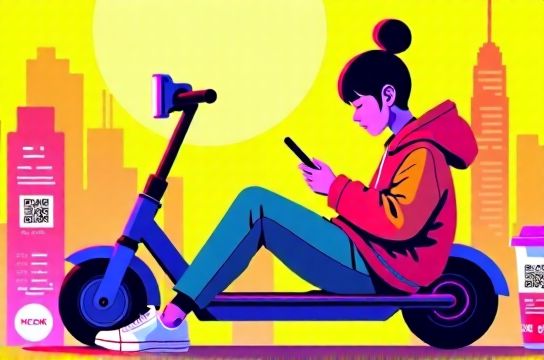
With over 300 million people aged 15–35, Chinese youth represent a powerhouse of innovation, consumption, and social change. They’re fluent in tech, skeptical of traditional paths, and deeply invested in self-expression—whether through fashion, food, or fandom.
Take digital lifestyle, for example. Over 98% of young Chinese access the internet daily, mostly via smartphones. Platforms like Xiaohongshu (Little Red Book), Douyin (TikTok’s Chinese twin), and Bilibili dominate their screens. These aren’t just apps—they’re ecosystems where trends are born, careers launched, and identities forged.
But it’s not all livestreams and viral dances. A quiet revolution is brewing beneath the surface: the ‘lying flat’ (躺平) movement. Born from burnout and disillusionment with the ‘996’ work culture (9 a.m.–9 p.m., 6 days a week), many young people are opting out of relentless hustle. Instead, they seek minimalism, mental wellness, and work-life balance—even if it means lower income.
Meanwhile, urban youth are embracing niche subcultures. Think Hanfu fashion revivals, indie music scenes in Chengdu, or café-hopping in Shanghai’s French Concession. Consumer habits reflect this shift: 68% prioritize experiences over possessions, and sustainability matters more than ever.
Youth at a Glance: Key Stats (2024)
| Indicator | Data | Source |
|---|---|---|
| Population aged 15–35 | 310 million | NBS China |
| Daily smartphone usage | 4.7 hours | iResearch |
| Monthly disposable income (urban) | ¥6,200 (~$850) | Statista |
| Who follow 'lying flat' ideals | ~40% | Pew Research |
| e-commerce buyers under 30 | 76% | Alibaba Group |
And let’s talk money. While some embrace simplicity, others are super-consumers. The youth-driven ‘guochao’ (国潮) wave—homegrown brands with patriotic flair—is booming. Companies like Li-Ning, Perfect Diary, and ByteDance are winning hearts by blending tradition with streetwise cool.
Education remains intense, but attitudes are shifting. Only 52% believe a college degree guarantees success, compared to 78% a decade ago. More are exploring vocational training, freelancing, or starting side hustles—like being a part-time KOL (Key Opinion Leader).
In relationships? Love is complicated. Marriage rates among those under 30 have dropped 30% since 2015. High living costs, gender role debates, and career focus are key reasons. Yet, emotional well-being is rising in priority—therapy apps like KnowYourself are gaining traction.
So, what’s next? China’s youth won’t be boxed in. They’re hybrid beings—global yet rooted, ambitious yet cautious, rebellious yet pragmatic. Whether sipping bubble tea in Shenzhen or coding an AI startup in Beijing, they’re writing a new narrative.
If you want to understand modern China, start with its youth. They’re not waiting for the future. They’re building it—one Douyin video at a time.