
Social Phenomena China From Grassroots to Mainstream
- Date:
- Views:261
- Source:The Silk Road Echo
In recent years, China has witnessed a wave of social phenomena that started from the grassroots and rapidly swept into the mainstream. From douyin dances to lying flat culture, these trends are more than just internet fads—they reflect deeper shifts in values, youth identity, and digital empowerment.
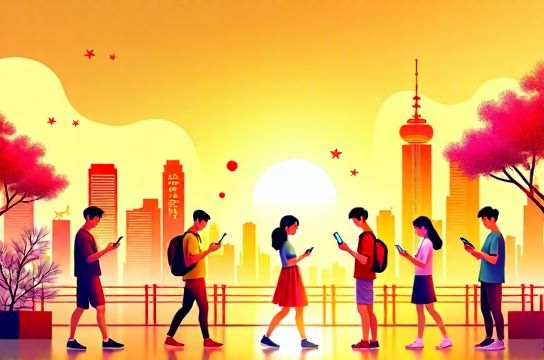
The Rise of Grassroots Movements
What makes Chinese social phenomena unique is their organic origin. Unlike top-down campaigns, movements like #WanghongEconomy (internet celebrity economy) and #SlayingTheLoanSlaves began in chat groups, short video apps, and university campuses. Take the viral "Tang Ping" (lying flat) movement—born from a 2021 forum post by a young worker rejecting burnout culture. Within weeks, it sparked national debate, with over 3.2 billion views on Weibo.
Data That Speaks Volumes
Numbers don’t lie. Here’s how fast some grassroots trends turned mainstream:
| Trend | Origin Platform | Peak Monthly Searches (Baidu) | Mainstream Media Coverage |
|---|---|---|---|
| Lying Flat (Tang Ping) | Tieba Forum | 18.7 million | CCTV, People's Daily |
| Dance Challenge #DanceOfPeace | Douyin | 45.2 million | China Central TV Spring Festival Gala |
| Fan Culture Wars | 62.1 million | State media warnings issued |
Why Do These Trends Catch Fire?
Three factors fuel this wildfire spread: digital accessibility, youth disillusionment, and cultural resonance. Over 1.05 billion Chinese are online, with 76% under 35. Platforms like Kuaishou and Xiaohongshu give anyone a megaphone. When frustration with high housing prices or job insecurity hits, symbolic acts—like lying down instead of striving—become powerful.
But here’s the twist: the state doesn’t always resist. Some trends get co-opted. The Dance of Peace, originally a meme, was rebranded as a "harmonious community activity" and featured in official events. It’s a delicate dance—tolerating expression while steering it toward social stability.
From Rebellion to Revenue
Grassroots doesn’t mean anti-commercial. In fact, many movements turn profitable fast. The "City Walk" trend—urban millennials exploring neighborhoods instead of shopping malls—sparked a new tourism niche. Cities like Chengdu and Hangzhou launched official walking maps, boosting local businesses by up to 30% in targeted districts.
Brands are quick to hop on. When milk tea protests (using drink orders as coded dissent) surfaced, companies like HeyTea stayed neutral but leaned into youth culture with limited-edition "freedom blend" merch—walking the line between authenticity and compliance.
What’s Next?
As censorship and creativity clash, expect more subtle forms of expression. Emoji codes, fictional allegories, and retro aesthetics are becoming vehicles for commentary. Yet, the core truth remains: Chinese netizens aren’t just consuming culture—they’re creating it from the ground up.
So whether it’s a dance, a slogan, or a silent protest, one thing’s clear: in China’s digital age, the streets have a voice—and it’s louder than ever.