
UNESCO Sites China Rich Heritage and Living History
- Date:
- Views:163
- Source:The Silk Road Echo
China isn't just a country—it's a living museum. With over 5,000 years of uninterrupted history, it’s no wonder that UNESCO has recognized more than 50 sites across the nation for their cultural or natural significance. From the Great Wall winding like a stone dragon across northern hills to the serene beauty of classical gardens in Suzhou, these spots aren’t just tourist traps—they’re windows into the soul of Chinese civilization.
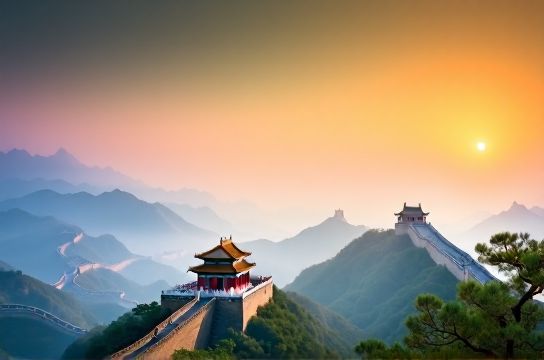
Let’s cut through the noise and explore the real gems. Whether you're a history nerd, a nature lover, or just chasing that perfect Instagram shot, China’s UNESCO sites deliver—big time.
Why China’s UNESCO Sites Matter
China ranks third globally in UNESCO World Heritage listings, behind only Italy and Spain. But what sets China apart is the sheer diversity—from ancient palaces to karst mountains, from Buddhist grottoes to imperial tombs. These places don’t just look good on postcards; they’ve shaped art, religion, and urban planning across Asia.
Take the Forbidden City in Beijing. Once home to 24 emperors, this 720,000-square-meter complex is the largest preserved royal palace in the world. It’s not just big—it’s symbolic. Every roof ridge, color, and layout follows strict feng shui and Confucian principles.
Top 5 Must-See UNESCO Sites in China
If your time is limited (and let’s be real—who isn’t?), focus on these five heavy hitters:
| Site | Location | Year Listed | Key Fact |
|---|---|---|---|
| Great Wall | Northern China | 1987 | Over 13,000 miles long; best-preserved section at Badaling |
| Forbidden City | Beijing | 1987 | Housed emperors from Ming to Qing dynasties |
| Mount Tai | Shandong | 1987 | Sacred Taoist mountain; emperors performed rituals here |
| Yungang Grottoes | Shanxi | 2001 | 51,000 Buddha statues carved into sandstone cliffs |
| West Lake | Hangzhou | 2011 | Inspired poets and painters for centuries |
Pro tip: Visit West Lake at sunrise. The mist rising off the water with pagodas in the distance? Pure magic. And skip the summer crowds—spring or autumn is ideal.
Cultural vs. Natural: What’s the Difference?
Of China’s 57 UNESCO sites, 39 are cultural, 14 are natural, and 4 are mixed. That tells you something: China’s legacy is built as much on philosophy and craftsmanship as on breathtaking landscapes.
For raw natural beauty, head to Jiuzhaigou Valley. Think turquoise lakes, waterfalls, and old-growth forests. It’s like stepping into a traditional ink painting. Meanwhile, Chengde Mountain Resort blends architecture with nature so seamlessly, even Emperor Qianlong used it as a summer escape from Beijing’s heat.
Travel Tips You Can’t Ignore
- Book ahead: Popular sites like the Forbidden City often sell out online.
- Avoid holidays: Golden Week = packed sites. Seriously, just wait a week.
- Hire a guide: A good one turns stones into stories.
And if you’re into photography, bring a polarizing filter. Reflections on West Lake or the symmetry of the Temple of Heaven? Chef’s kiss.
The Bottom Line
China’s UNESCO sites aren’t just relics—they’re living parts of daily life. Locals hike Mount Tai for blessings, couples stroll around West Lake, and monks still chant in ancient temples. That’s the real magic: history isn’t locked away. It breathes.