
Social Phenomena China From Invisible Pressures to Change
- Date:
- Views:293
- Source:The Silk Road Echo
China's rapid development isn't just about skyscrapers and high-speed trains — it's also a story of shifting social tides, invisible pressures, and quiet revolutions in everyday life. From the 996 work culture to the rising tide of youth disillusionment, Chinese society is navigating complex transformations that often go unnoticed by the outside world.
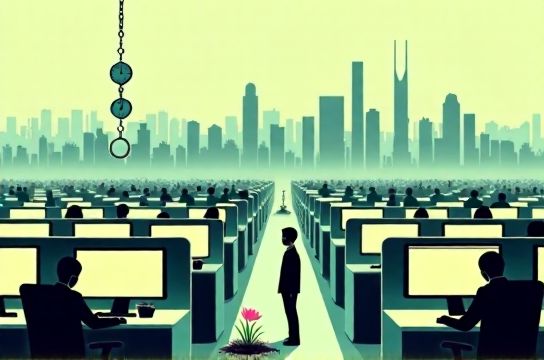
Take the term "neijuan" (内卷), for example. Literally meaning 'involution,' it's become the buzzword for societal burnout. Young professionals feel trapped in endless competition — working longer hours for little extra reward. A 2023 survey by Zhaopin revealed that over 67% of urban white-collar workers in China report chronic stress, with more than half citing excessive workload as the top cause.
The Hidden Cost of Success
Education, once seen as the golden ticket, now feels like a never-ending race. Consider this: Chinese students spend an average of 11.5 hours per day on academic activities during middle and high school years, according to a Ministry of Education report. Parents invest heavily — nearly ¥80,000 annually per child on tutoring in major cities like Beijing and Shanghai.
| Social Indicator | Data Point | Source |
|---|---|---|
| Youth Unemployment Rate (Urban, Ages 16–24) | 14.9% | NBS, Q2 2023 |
| Percentage of Workers Doing 996 Schedule | ~22% | Zhaopin Survey |
| Average Sleep Duration (Adults) | 6.8 hours | Chinese Sleep Research Society |
| One-Child Policy Impact (Gender Imbalance) | 118 males per 100 females (under 20) | National Census 2020 |
But here's the twist — resistance is brewing. The "tang ping" (躺平) movement, or 'lying flat,' isn’t laziness. It’s a silent protest against relentless grind culture. More young people are opting out of traditional milestones — delaying marriage, rejecting homeownership pressure, or choosing freelance gigs over corporate ladders.
Change in the Air
Yet, change doesn’t happen overnight. The government has responded with policies targeting after-school tutoring and promoting work-life balance. In 2021, the 'Double Reduction' policy slashed homework loads and banned for-profit tutoring in core subjects. Result? Tutoring market revenue dropped by 80% within a year.
Meanwhile, digital platforms amplify voices. On Douban and Xiaohongshu, forums like 'Anti-Work' and 'Escape the Office' have tens of thousands of members sharing stories and strategies for disengaging from toxic systems.
So, what does this mean for the future? While economic pressures remain intense, there's a growing awareness — especially among Gen Z — that well-being matters. Mental health apps like KnowYourself have seen user growth surge by 300% since 2020.
In short, China’s social landscape is no longer just about growth at all costs. It’s about redefining success, one quiet rebellion at a time.