
Chinese Society Explained Beyond the Headlines Insight
- Date:
- Views:277
- Source:The Silk Road Echo
When you think of China, what comes to mind? Skyscrapers in Shanghai? The Great Wall? Or maybe viral TikTok trends from Chengdu? While headlines love to focus on politics or economic growth stats, the real story of Chinese society is far more colorful, complex, and human. Let’s go beyond the noise and explore what life in modern China *actually* feels like — from family values to digital habits, with a few surprising stats you won’t believe.
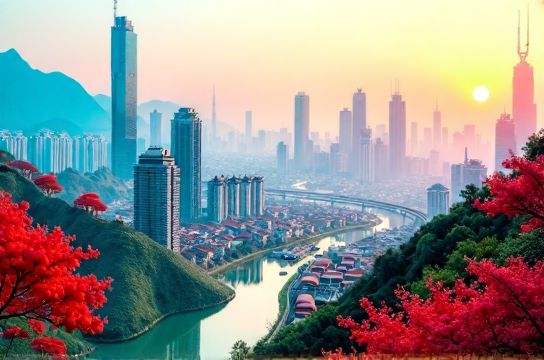
The Pulse of Daily Life: Tradition Meets Hyper-Modernity
China isn’t just evolving — it’s leaping. One minute you’re sipping hand-poured coffee in a Beijing design café, the next you’re watching a grandma pay for steamed buns with facial recognition at a street stall. This blend of ancient customs and futuristic tech defines daily life.
Take family structure. Despite rapid urbanization, over 76% of elderly Chinese still live with or near their children (World Bank, 2023). Confucian values aren’t relics — they’re living guidelines shaping everything from career choices to holiday travel chaos (hello, Spring Festival rush!).
Digital Life: More Than Just WeChat
If your phone only has Instagram and Gmail, prepare for culture shock. In China, 98% of mobile users rely on super-apps like WeChat and Alipay — not just for chatting, but for paying bills, hailing cabs, booking doctors, and even filing taxes.
Here’s a snapshot of China’s digital dominance:
| Metric | China | Global Average |
|---|---|---|
| Mobile Payment Penetration | 86% | 48% |
| Internet Users (in billions) | 1.05 | 5.3 (worldwide) |
| Time Spent Online Daily | 3.5 hours | 2.7 hours |
Yes, that’s right — China’s digital ecosystem is so advanced, cash is practically vintage.
Youth Culture: Ambitious, Anxious, and Awkward
Meet the “Post-90s” and “Post-00s” generations. They’re fluent in English, obsessed with K-pop, and drowning in academic pressure. The infamous gaokao (national college exam) isn’t just a test — it’s a national drama, with over 12 million students competing yearly for top universities.
But here’s the twist: many young Chinese are pushing back. Terms like tang ping ("lying flat") and neijuan ("involution") went viral as youth rejected burnout culture. It’s not laziness — it’s a quiet rebellion against relentless competition.
Urban vs. Rural: Two Chinas?
Let’s be real — there’s no single "Chinese experience." A tech worker in Shenzhen earning ¥30,000/month lives worlds apart from a farmer in Gansu making ¥3,000. The urban-rural income gap remains wide, though narrowing:
- Urban Avg. Income (2023): ¥69,000/year
- Rural Avg. Income (2023): ¥20,000/year
Yet rural areas are changing fast. E-commerce platforms like Pinduoduo have turned village entrepreneurs into livestreaming stars selling apples to millions.
What Travelers Get Wrong
Tourists often expect silence and strict rules. Surprise — Chinese cities are loud, energetic, and full of spontaneous dance crews in parks. And while censorship exists, daily conversations are surprisingly open — especially online, where netizens use memes and wordplay to discuss sensitive topics.
The truth? Chinese society isn’t monolithic. It’s a mosaic of contradictions: high-tech yet traditional, collective-minded yet increasingly individualistic, proud of its rise but wrestling with inequality.
So next time you see a headline about China, pause. Behind the data points are people — scrolling, striving, and streaming their way through one of the most dynamic societies on Earth.