
Youth Lifestyle in Modern China Navigating Pressure and Identity
- Date:
- Views:302
- Source:The Silk Road Echo
In today’s fast-evolving China, young adults are caught in a whirlwind of ambition, societal expectations, and digital overload. From the 996 work culture to the rise of 'lying flat' (tang ping), Gen Z and Millennials are redefining what it means to be young in the Middle Kingdom.
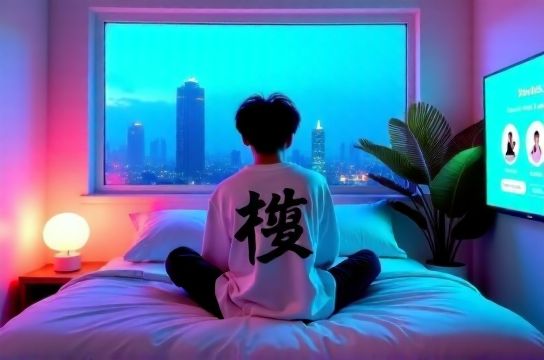
With over 180 million people aged 15–24, China’s youth are not just shaping trends—they’re battling pressure. A 2023 survey by Peking University found that 68% of urban youth report high stress levels, mainly from job competition, housing costs, and family marriage demands.
The Hustle vs. The Chill: Two Sides of Youth Culture
On one side, you’ve got the strivers—college grads pouring into tech hubs like Shenzhen and Hangzhou, chasing high salaries and social status. On the flip side? The ‘tang ping’ (lie flat) movement, where disenchanted youth reject grind culture for minimalism and mental peace.
And let’s not forget ‘involution’ (neijuan)—a buzzword describing the exhausting rat race where more effort brings zero real gain. Think: working overtime just so your coworker doesn’t outshine you.
Youth Lifestyle Snapshot: By the Numbers
Here’s a quick look at how Chinese youth spend their time and money:
| Category | Average Monthly Spending (RMB) | Top Priorities |
|---|---|---|
| Housing (Rent) | 2,300 | Big cities like Beijing & Shanghai |
| Dining Out & Delivery | 1,200 | Meituan & Elema users |
| Online Subscriptions | 180 | Bilibili, iQiyi, NetEase Cloud |
| Mental Wellness | 350 | Counseling apps, meditation |
| Fashion & Sneakers | 600 | Streetwear, limited editions |
Data source: China Youth Daily Survey, 2023
Digital Natives with a Soul
Chinese youth live online—but it’s not all Douyin dances and WeChat moments. Platforms like Bilibili have become sanctuaries for self-expression, hosting everything from indie music to philosophical rants. Over 70% of Bilibili’s users are under 30, making it the go-to space for identity exploration.
Meanwhile, dating apps like Momo and Soul reflect deeper loneliness. Despite being hyper-connected, many young Chinese admit they feel emotionally isolated. One 25-year-old from Chengdu shared: "I have 2,000 followers online but no one to call when I’m sick."
Redefining Success on Their Own Terms
Forget the traditional script: good school → stable job → early marriage. Today’s youth are opting for gap years, freelance gigs, or moving back to smaller cities for better work-life balance. In fact, 41% of graduates now consider tier-3 or tier-4 cities as ideal starting points—up from 26% in 2018.
Brands are catching on too. Companies like Luckin Coffee and Pop Mart aren’t just selling products—they’re selling identity. Limited-edition toy figures and customizable lattes let youth say, "This is me."
Final Thoughts: Finding Balance in a High-Pressure World
Being young in modern China isn’t easy. But it’s also incredibly dynamic. Whether they’re grinding at Alibaba or meditating in a Yunnan village, today’s youth are rewriting the rules—not just surviving, but seeking meaning.
So if you're trying to understand China’s next generation, don’t just look at GDP or exam scores. Look at their playlists, their slang, and their quiet rebellion. That’s where the real story lies.