
Youth Lifestyle in Modern China Decoding New Norms
- Date:
- Views:343
- Source:The Silk Road Echo
In today’s fast-evolving China, the youth aren’t just growing up—they’re redefining what it means to be young. Forget the old stereotypes of quiet conformity; Gen Z and Millennials in China are crafting a lifestyle that blends tradition with digital swagger, ambition with balance, and hustle with heart.
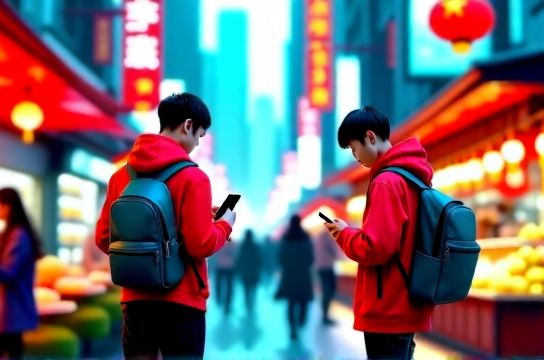
The Digital DNA of Chinese Youth
If there’s one thing shaping modern Chinese youth culture, it’s the smartphone. With over 980 million internet users in China—and nearly 70% under 35—digital life isn’t optional. It’s oxygen. Platforms like Xiaohongshu (Little Red Book), Douyin (China’s TikTok), and Bilibili aren’t just for entertainment; they’re identity hubs, job boards, and social validators rolled into one.
From morning skincare routines posted on Xiaohongshu to late-night gaming streams on Bilibili, daily life is lived both offline and online—often simultaneously.
Work, But Make It Balanced
Gone are the days when young professionals silently endured 996 work cultures (9 a.m.–9 p.m., 6 days a week). The new mantra? ‘Lying flat’ (躺平) might’ve started as a protest against burnout, but it evolved into something deeper: a demand for meaningful work-life harmony.
A 2023 survey by Zhaopin revealed that 68% of young workers aged 18–30 prioritize mental well-being over high salaries. That’s a seismic shift from previous generations.
| Lifestyle Priority | Percentage of Youth (18–30) |
|---|---|
| Mental Health & Work-Life Balance | 68% |
| High Income / Career Growth | 52% |
| Urban Living (Tier-1 Cities) | 41% |
| Entrepreneurship | 34% |
Spending Smarter, Not Harder
Chinese youth aren’t reckless spenders—they’re value-driven. They’ll splurge on a limited-edition sneaker drop or a luxury skincare set, but haggle over utility bills. Why? Because authenticity and self-expression matter more than status symbols.
Brands like Anta and Li-Ning have surged by blending streetwear aesthetics with national pride—a trend dubbed ‘Guochao’ (国潮), or 'national wave'. In 2023, Guochao-related searches on Taobao grew by 120% year-on-year.
Love, Life, and the Delayed Dream
Marriage? Kids? Many young Chinese are hitting pause. Urban pressures, sky-high housing costs, and shifting gender roles have pushed average marriage age to 29.5 for men and 27.8 for women—up from 24 just a decade ago.
Instead, they’re investing in self-growth, travel, and pet ownership. Speaking of pets: over 60 million households now own a cat or dog, many driven by single urban dwellers seeking companionship without societal strings.
The Road Ahead
The new Chinese youth aren’t rejecting tradition—they’re remixing it. Confucian values of diligence live side-by-side with mindfulness apps and co-living spaces. They’re patriotic yet globally minded, tech-obsessed but craving real connection.
For brands, policymakers, or anyone trying to understand modern China—listen closely. This generation isn’t waiting for permission. They’re already writing the next chapter.