
The Silent Struggle: Mental Health Stigma Among China’s Millennials
- Date:
- Views:261
- Source:The Silk Road Echo
Let’s talk about something real—mental health in China, especially among the millennials. You know, the generation born between the early 80s and late 90s? They’re dealing with a silent battle most people don’t see. And no, it’s not just stress from work or school—it’s deeper than that. It’s about stigma, silence, and a culture that often says, ‘Just toughen up.’
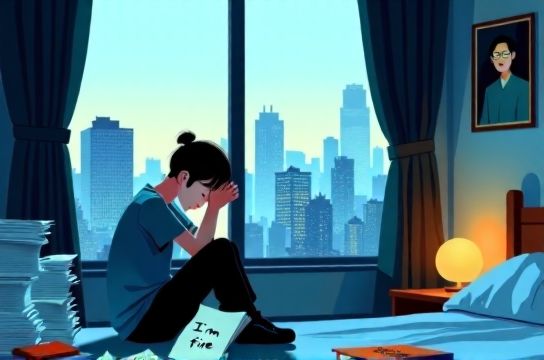
Here’s the thing: China’s economy has exploded over the past few decades. Cities are modern, tech is booming, and life looks great on social media. But behind those shiny skyscrapers and perfect WeChat moments, a lot of young adults are struggling—quietly. Depression, anxiety, burnout—they’re more common than you’d think. Yet, talking about them? That’s still a big no-no in many families.
Why? Because for years, mental health was either ignored or seen as a sign of weakness. If you said you were depressed, your parents might tell you to ‘stop being lazy’ or ‘think positive.’ Therapy? Forget it. Going to a psychologist was like admitting you were broken—or worse, bringing shame to the family. Even today, many millennials hide their struggles because they fear judgment at work, at home, or online.
But here’s the twist: this generation is starting to push back. More and more young Chinese are opening up on platforms like Xiaohongshu and Weibo, sharing personal stories about therapy, panic attacks, and emotional burnout. Hashtags like #I’mNotWeakForFeelingSad are slowly gaining traction. Some companies are even offering mental health days. Progress? Yes. But it’s slow.
Another issue? Access. Sure, big cities like Beijing and Shanghai have clinics and counselors. But outside urban centers? Not so much. And even when services exist, they’re expensive. A single therapy session can cost half a week’s salary for some. Plus, there’s still a shortage of trained professionals who understand both Western psychology and Chinese cultural values.
So what’s the takeaway? The conversation around mental health in China is changing—but it’s a long road. Millennials are caught between old expectations and new realities. They want help, but they also fear the consequences of asking. Breaking the stigma isn’t just about awareness; it’s about creating safe spaces, affordable care, and a culture that finally says: ‘It’s okay to not be okay.’
This isn’t just a personal issue—it’s a societal one. And if China wants to keep thriving, it needs to support the minds behind its progress. After all, a strong economy means nothing if the people powering it are silently breaking down.