
The New Confucian Cool? Reclaiming Tradition Among Urban Youth
- Date:
- Views:277
- Source:The Silk Road Echo
Move over, K-pop and streetwear—there’s a new cultural wave hitting China’s cities, and it’s rooted in ancient philosophy. Yep, we’re talking about Confucianism. Sounds boring? Think again. A growing number of urban youth are diving into classical texts, wearing hanfu on weekends, and quoting Mencius like it’s a viral tweet. This isn’t your grandpa’s stuffy lecture on filial piety—it’s a fresh, modern take on tradition that’s quietly going mainstream.
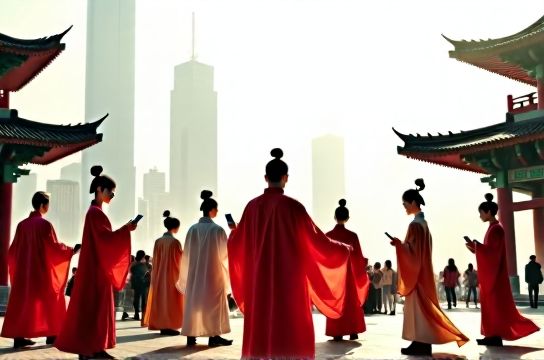
So what’s behind this unexpected revival? For starters, identity. In a fast-paced, hyper-connected world, young Chinese are searching for something real—something that feels authentically *theirs*. While globalization brought iPhones and Instagram, it also left a cultural gap. Enter Confucian values: respect, self-cultivation, harmony. These aren’t just moral guidelines—they’re becoming lifestyle choices.
Take Xiaoling, a 24-year-old graphic designer in Shanghai. By day, she’s all minimalism and matcha lattes. By night? She’s deep in the Analects, hosting online study groups with friends. 'It’s not about blind obedience,' she says. 'It’s about finding balance. Confucius talked about being a better person—how is that not relevant today?'
She’s not alone. From Beijing to Chengdu, pop-up Confucian cafes serve tea ceremonies alongside cold brew, and TikTok influencers recite poetry in silk robes. Hashtags like #MyConfuciusLife and #HanfuEveryday are racking up millions of views. It’s part nostalgia, part rebellion—a way to push back against Western-dominated youth culture while reconnecting with heritage.
But let’s be real: this isn’t a full-on return to imperial China. Today’s Confucians pick and choose. They embrace self-discipline but reject rigid hierarchy. They value family loyalty but demand gender equality. It’s a remix, not a replica.
And brands are noticing. Fashion labels are fusing traditional motifs with street style. Educational startups offer bite-sized lessons on virtue ethics. Even the government’s cautiously supportive, promoting 'cultural confidence' as national pride.
Still, critics warn against romanticizing the past. Confucianism has historically reinforced patriarchy and social rigidity. Can it truly evolve? Young practitioners argue yes—if we interpret it critically, not dogmatically.
At its core, this movement isn’t really about ancient texts. It’s about belonging. In an age of burnout and digital overload, Confucian ideals offer a sense of grounding. They remind us to reflect, to respect, to grow. Maybe that’s why this old-school philosophy feels so… cool.
So is Confucius the unexpected influencer of Gen Z? Possibly. Because sometimes, the future looks a lot like the past—just with better aesthetics.