
Social Phenomena China Shaping Modern Urban Life
- Date:
- Views:206
- Source:The Silk Road Echo
In the blink of an eye, China's urban landscape has transformed from quiet alleyways to neon-lit skyscrapers. But beyond the glass and steel, a deeper shift is happening — one shaped not just by technology or policy, but by social phenomena quietly redefining modern city life.
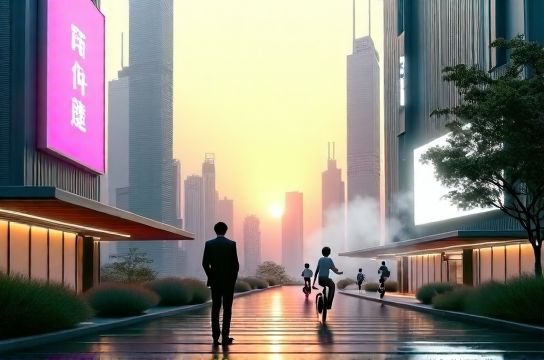
From 'lying flat' (躺平) to 'involution' (内卷), these buzzwords aren’t just internet slang — they’re cultural reflections of how young Chinese navigate work, relationships, and identity in fast-paced cities like Beijing, Shanghai, and Shenzhen.
Take 'involution'. Originally an anthropological term, it now describes the rat race of overworking with diminishing returns. A 2023 survey by Zhaopin.com found that 68% of urban professionals under 35 feel trapped in high-pressure jobs, often working 996 schedules (9 AM to 9 PM, 6 days a week). This burnout culture fuels the counter-movement: 'lying flat' — choosing minimalism and disengagement over relentless hustle.
But it’s not all resignation. Enter the rise of digital communities. Platforms like Xiaohongshu (Little Red Book) and Douban have become virtual town squares where users share everything from apartment hacks to mental health tips. In fact, Xiaohongshu boasts over 300 million monthly active users, many of them urban millennials curating lifestyles that blend tradition with global trends.
Another fascinating trend? The revival of community-based living. Co-living spaces and shared kitchens are booming in Tier-1 cities. These aren’t just cost-saving measures — they reflect a craving for connection in isolating megacities.
| Social Trend | Urban Impact | Key Statistic (2023) |
|---|---|---|
| Involution (Neijuan) | Rising workplace stress | 68% under-35s report burnout |
| Lying Flat (Tangping) | Decline in marriage & birth rates | Marriage rate down 12% since 2020 |
| Digital Communities | New forms of social bonding | Xiaohongshu: 300M+ MAU |
| Co-Living Spaces | Reduced urban loneliness | Market grew 40% YoY in 2023 |
These shifts aren’t isolated — they’re interconnected. The pressure of involution pushes people toward lying flat, which in turn drives demand for meaningful digital and physical communities. It’s a feedback loop reshaping urban values.
Even consumer habits reflect this change. 'Quiet luxury' — understated, quality-driven spending — is replacing flashy logos. Brands like Bosideng and Li-Ning are winning over youth by blending heritage with modern design, proving national pride can be stylish.
So what does this mean for the future of Chinese cities? Urban life isn’t just about infrastructure anymore — it’s about emotional sustainability. As more people seek balance, we’ll likely see smarter city planning, mental health support, and hybrid work models becoming standard.
In short, the real story of China’s urban evolution isn’t written in concrete — it’s etched in the daily choices of its people. And if you’re paying attention, the message is clear: well-being is the new wealth.