
Inside China's Social Phenomena From a Ground-Level View
- Date:
- Views:206
- Source:The Silk Road Echo
If you've ever strolled through a Chinese city at dawn, you’ve probably seen it: clusters of aunties in matching tracksuits, dancing in perfect sync to upbeat pop music in the park. It’s not just exercise—it’s social rhythm, a daily ritual that reveals how deeply community and harmony are woven into China’s urban fabric.
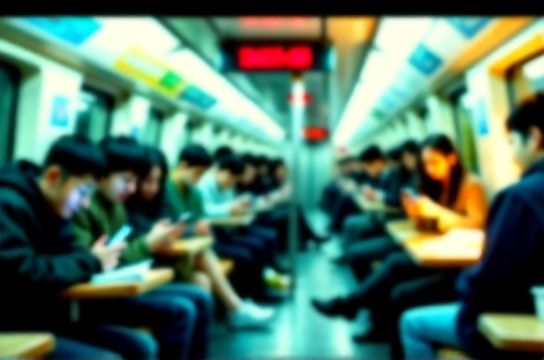
Welcome to a ground-level tour of modern China—not through skyscrapers or high-speed rail stats, but through the everyday moments that define life here. From digital dependency to generational shifts, let’s unpack what’s really going on beneath the surface.
The Digital Life: WeChat Isn’t Just an App—It’s a Lifestyle
In China, saying “I’ll text you” usually means opening WeChat. With over 1.3 billion monthly active users, this app does everything: messaging, payments, doctor appointments, even government services. Need to pay your electricity bill? WeChat. Want to hail a taxi? WeChat. Break up with your partner? Okay, maybe not recommended—but technically possible.
Here’s a snapshot of how embedded it is:
| Feature | Usage Rate (%) | Monthly Active Users (in billions) |
|---|---|---|
| Messaging | 98% | 1.27 |
| Mobile Payments (WeChat Pay) | 85% | 1.08 |
| Official Accounts (News & Services) | 76% | 0.98 |
| Mini Programs (App-within-an-App) | 82% | 1.10 |
This isn’t just tech adoption—it’s total integration. Cash? Rarely seen. Credit cards? Mostly for tourists. The QR code is king.
The Pressure Cooker: “Involution” and Youth Anxiety
Young Chinese professionals are using a buzzword lately: neijuan (内卷), or “involution.” It describes a system where everyone works harder, but no one gets ahead. Imagine studying 14 hours a day, only to find the bar keeps rising. That’s the reality for many chasing jobs, housing, or even marriage prospects.
A 2023 survey by Zhaopin.com found:
- 68% of young workers feel “chronically exhausted”
- Only 29% believe they can afford a home before age 35
- Over 60% delay marriage due to financial pressure
Enter the backlash: “tang ping” (lying flat), a quiet resistance movement where people opt out of the grind. Not lazy—just redefining success.
Family First: The One-Child Legacy
China’s one-child policy (1979–2015) didn’t just shrink families—it reshaped them. Today, many urban kids grow up as “little emperors,” doted on by two parents and four grandparents. This has created a generation under immense pressure to succeed—for their entire family.
But times are changing. With aging demographics, the government now encourages more births. Yet, costs remain sky-high:
- Average cost of raising a child to 18: ¥600,000–1,000,000 (~$85k–140k USD)
- Preschool can cost up to ¥10,000/month in top-tier cities
- Fertility rate: just 1.09 in 2023—one of the lowest globally
Urban vs. Rural: Two Chinas?
While Shanghai gleams with neon and AI cafes, rural areas tell a different story. Over 500 million still live in the countryside, many supporting urban economies through migration.
Yet, digital bridges are closing gaps. E-commerce platforms like Pinduoduo have brought affordable goods to villages, and livestreaming farmers now sell apples directly to city dwellers—with emojis and jokes included.
Final Thoughts: Harmony, Hustle, and Hope
China isn’t just growing—it’s transforming from within. Beneath the surface of strict policies and rapid change lies a society searching for balance: between tradition and modernity, effort and ease, connection and control.
So next time you see those dancing aunties, remember—they’re not just moving to the beat. They’re keeping China grounded, one step at a time.