
Inside China's Youth Movement Beyond the Headlines
- Date:
- Views:224
- Source:The Silk Road Echo
When you think of China’s youth, what comes to mind? Social media trends? Tech-savvy Gen Zers flooding Douyin (China’s TikTok)? Or maybe the intense gaokao pressure cooker? While these snapshots are real, they only scratch the surface. Behind the headlines, a quiet but powerful youth movement is reshaping identity, values, and ambition in ways that defy stereotypes.
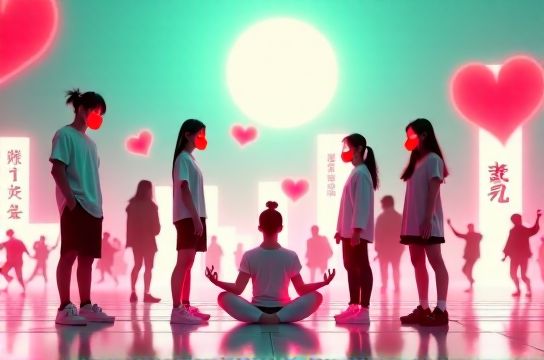
The New Pulse: What Drives Chinese Youth Today?
Gone are the days when Chinese millennials and Gen Z were seen as obedient test-takers focused solely on stability. A 2023 survey by PwC China found that 68% of young Chinese professionals prioritize purpose over paychecks. That’s a seismic shift from the material-driven goals of previous generations.
This isn’t just about career choices—it’s a cultural reset. From eco-conscious startups to underground indie music scenes in Chengdu, young Chinese are redefining success on their own terms. And they’re doing it fast: over 40% of China’s 1.4 billion population is under 35, making this demographic not just influential, but transformative.
Digital Natives with a Twist
Yes, Chinese youth live online—but not in the way Western media assumes. Platforms like Xiaohongshu (Little Red Book) and Bilibili aren’t just for shopping or memes. They’re digital town squares where young people debate mental health, gender roles, and even political awareness—albeit within boundaries.
Take Bilibili: originally a niche anime forum, now a hub for educational content. In 2023, its user base hit 330 million monthly active users, 77% under 35. Videos on ancient philosophy, sustainable fashion, and AI ethics rack up millions of views. This isn’t passive scrolling; it’s self-education at scale.
The Great Resignation? More Like The Great Reevaluation
You’ve heard of ‘lying flat’ (tang ping) and ‘let it rot’ (nei quan). These aren’t laziness—they’re pushback against burnout culture. With housing prices in cities like Shanghai averaging ¥75,000 per square meter, many young adults are opting out of traditional milestones: marriage, homeownership, 9-to-9 jobs.
Instead, they’re launching micro-businesses on WeChat, teaching coding online, or moving to second-tier cities like Hangzhou or Xi’an for better work-life balance. The government has noticed—initiatives like ‘Common Prosperity’ aim to ease inequality, but real change is bubbling from the ground up.
Youth in Numbers: A Snapshot
Beyond anecdotes, data tells the story. Here’s a look at key trends shaping China’s under-35 crowd:
| Metric | Data | Source |
|---|---|---|
| Population under 35 | ~560 million | National Bureau of Statistics, 2023 |
| Bilibili MAUs (under 35) | 254 million | Bilibili Annual Report, 2023 |
| Youth unemployment rate (urban) | 14.9% | NBS, Q2 2023 |
| Gen Zers valuing work-life balance | 72% | PwC China Talent Survey, 2023 |
| Young entrepreneurs (25–34) | 18% increase since 2020 | Alibaba SME Report |
Culture as Resistance
Music, fashion, and art are becoming subtle forms of expression. Indie bands in Beijing sing about alienation and hope. Streetwear labels like BE@RBRICK and TYAKASHA blend Mao-era aesthetics with global punk vibes. It’s not rebellion—it’s reclamation.
And let’s talk gender. While progress is slow, urban youth are challenging norms. A 2022 survey by Danas showed that 61% of women aged 18–30 reject traditional marriage expectations. Men, too, are rethinking masculinity—searches for ‘stay-at-home dad’ rose 120% on Baidu in two years.
Looking Ahead
China’s youth aren’t waiting for permission. They’re building communities, launching brands, and asking hard questions—all while navigating censorship and economic headwinds. Their movement isn’t loud, but it’s deep. And it’s changing China from within.
So next time you hear about China, look beyond the headlines. The future isn’t just coming—it’s already here, coded in emojis, shared on livestreams, and lived one mindful choice at a time.