
Education Arms Race: The Cost of Being 'Left Behind' in China
- Date:
- Views:219
- Source:The Silk Road Echo
In today’s China, the phrase bu xiang bei la xia — “not wanting to fall behind” — isn’t just a motivational slogan. It’s a full-blown cultural obsession, especially when it comes to education. From toddlers memorizing English words to high schoolers pulling all-nighters, Chinese families are locked in what experts call an 'education arms race.' But at what cost?
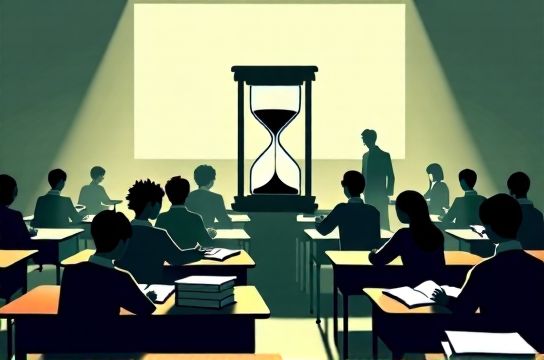
This relentless pursuit of academic excellence starts shockingly early. According to a 2023 report by iResearch, over 60% of urban Chinese children begin extracurricular tutoring before age 6. By middle school, nearly 80% attend after-school cram classes, known as buxi ban. These numbers aren’t just statistics—they represent billions spent and countless hours sacrificed.
The Price Tag of Academic Success
Let’s talk money. A typical urban family in Beijing or Shanghai spends between $3,000 and $10,000 annually on private tutoring alone. Add in enrichment programs like piano lessons, coding boot camps, and Olympic math training, and that figure can easily exceed $15,000 per year—more than the average annual income in many Chinese provinces.
| City | Avg. Annual Tutoring Cost (USD) | % of Families Using Tutoring |
|---|---|---|
| Beijing | 9,200 | 78% |
| Shanghai | 8,700 | 76% |
| Guangzhou | 6,500 | 69% |
| Chengdu | 4,300 | 61% |
But cash is only part of the equation. Time, stress, and mental health are paying heavy dues too. A 2022 study from Peking University found that over 40% of middle school students show symptoms of anxiety or depression—directly linked to academic pressure.
Gaokao: The Ultimate Pressure Cooker
All roads lead to the Gaokao, China’s national college entrance exam. This single test can determine a student’s future career, social status, and even marriage prospects. With acceptance rates at top universities like Tsinghua and Peking University below 1%, the stakes couldn’t be higher.
Imagine spending 12 years of your life preparing for one week of exams. That’s the reality for millions. Students often study 12–14 hours a day during senior year. Some schools even have 'caged classrooms' with barred windows to prevent distractions. Yes, really.
The Government Pushes Back
Recognizing the crisis, the Chinese government launched the 'Double Reduction' policy in 2021, banning for-profit tutoring in core subjects and limiting homework. Overnight, giants like New Oriental and TAL Education saw their stock values plummet by over 90%.
But here’s the twist: demand didn’t disappear. Instead, tutoring went underground. 'Coaching in living rooms,' secret Zoom classes, and even one-on-one home tutors charging $100/hour became the new norm. As one parent in Hangzhou admitted, 'We’ll find a way. Our child’s future isn’t negotiable.'
Is There a Way Out?
Change is slow, but signs of shift are emerging. More parents are exploring alternative paths—international schools, vocational training, or studying abroad. Yet these options come with their own costs and risks.
The truth is, the education arms race won’t end until the system itself evolves. Until then, families will keep investing—emotionally, financially, and physically—because in China, falling behind isn’t just a setback. It’s a social sentence.