
The Loneliness Economy: Why More Young Chinese Are Living Alone
- Date:
- Views:395
- Source:The Silk Road Echo
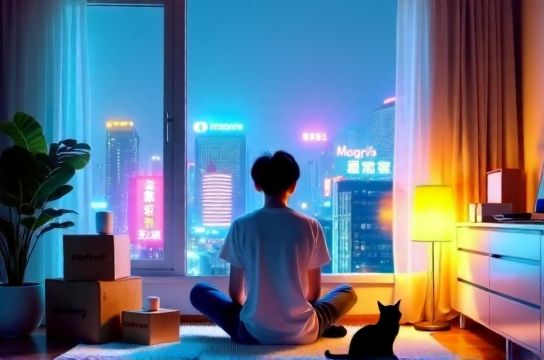
In China, the hum of solo life is getting louder. From tiny studio apartments in Shanghai to co-living spaces in Chengdu, a growing number of young Chinese are choosing to live alone — and fueling what's now known as the loneliness economy. This isn’t just a housing trend; it’s a cultural shift driven by urbanization, digital connection, and changing values.
According to the China Statistical Yearbook 2023, the number of single-person households has surged to over 92 million, making up nearly 25% of all households nationwide. In major cities like Beijing and Shenzhen, that figure jumps to over 30% among adults aged 20–39.
The Rise of the 'Single-Dwellers'
Why are so many young people flying solo? It’s not loneliness in the traditional sense — it’s more about freedom, independence, and self-expression. For millennials and Gen Z, living alone is a status symbol, a declaration of adulthood on their own terms.
Take 27-year-old Mei from Hangzhou: “Sharing an apartment with roommates felt like being back in college. I wanted my space, my rules, even if it meant paying more.” Her story echoes across social media, where hashtags like #独居生活 (#LivingAloneLife) have racked up billions of views on platforms like Douyin and Xiaohongshu.
The Loneliness Economy: Spending When You’re Solo
When you live alone, your spending habits change. Enter the loneliness economy — a booming market built around solo consumption. Think single-serve meals, smart home devices, subscription boxes, and virtual companionship apps.
Market research firm iiMedia estimates that China’s loneliness economy was worth over $150 billion in 2023, with annual growth projected at 12% through 2026. Companies are racing to cater to solo dwellers: restaurants offer single-seater counters, e-commerce platforms promote mini-fridges and foldable furniture, and pet adoption has skyrocketed — with cats leading the pack.
| Product Category | Annual Growth Rate (2023) | Top Consumers |
|---|---|---|
| Single-Serve Food Packs | 18% | Women aged 22–30 |
| Pet Ownership | 15% | Urban singles |
| Smart Home Devices | 22% | Tech-savvy renters |
| Virtual Companionship Apps | 30% | Men aged 25–35 |
This isn’t just convenience — it’s emotional spending. As one user posted on Zhihu: “I don’t mind paying extra for a robot vacuum. It’s not laziness — it’s peace of mind when no one else is home.”
But Is It Really Lonely?
Ironically, many young Chinese who live alone don’t feel lonely — they feel liberated. Digital connectivity plays a big role: group chats, livestreams, and online gaming provide constant social interaction, even in physical solitude.
Still, experts warn of risks. Psychologist Dr. Lin Wei from Peking University notes, “Emotional intimacy can’t be fully replaced by screens. Long-term isolation may lead to anxiety or depression, especially during crises.”
The Future of Living Alone
As housing policies evolve and rental markets adapt, solo living is becoming more affordable and socially accepted. Cities like Guangzhou are piloting ‘micro-apartments’ under 30 sqm, designed specifically for singles.
The message is clear: living alone isn’t a phase — it’s a lifestyle. And for a generation redefining success, happiness isn’t measured by marriage or family size, but by personal freedom and emotional autonomy.
So next time you see a young person unpacking takeout for one, don’t assume they’re lonely. They might just be winning at life — on their own terms.