
Gen Z Speaks Up: How China’s Youth Are Challenging Traditional Values
- Date:
- Views:264
- Source:The Silk Road Echo
China's Gen Z isn't just scrolling TikTok—they're reshaping society. Born between 1997 and 2012, this digitally native generation is redefining success, relationships, and identity in ways that make their parents scratch their heads.
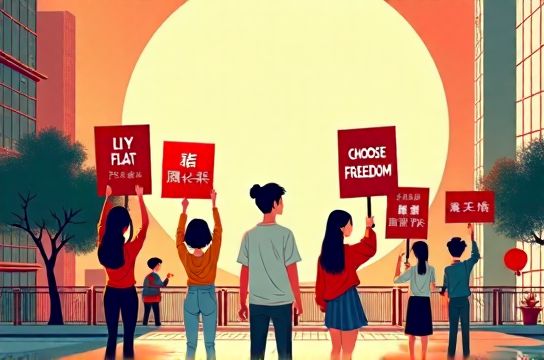
Gone are the days when a stable government job, early marriage, and filial obedience were the ultimate goals. Today’s youth are saying “bu yao” (no thanks) to traditional expectations. Why? Because they value mental health, personal freedom, and authenticity over societal approval.
Take career choices, for example. While older generations chased job security, 68% of Chinese Gen Z prefer meaningful work—even if it pays less. A 2023 survey by Zhaopin revealed that only 24% prioritize salary as their top job factor, compared to 51% of millennials.
The Rise of 'Lying Flat' and 'Sang Culture'
You’ve probably heard of "tang ping" (lying flat)—the quiet rebellion against hustle culture. It’s not laziness; it’s self-preservation. Faced with sky-high housing prices and relentless workplace pressure, many young Chinese are opting out of the rat race.
And then there’s sang culture—a darkly humorous embrace of defeat. Meme after meme shows exhausted youths declaring, “I’m already a loser, so why try?” But beneath the sarcasm lies real anxiety about inequality and future prospects.
Love, Marriage, and Saying 'No'
If your idea of love involves parental matchmaking and quick weddings, Gen Z might disappoint you. Data from the National Bureau of Statistics shows that the average age of first marriage in China hit a record high of 28.7 for women and 30.2 for men in 2023—up from 24.5 and 26.8 just a decade ago.
Why the delay? Simple. Young people are prioritizing education, careers, and emotional compatibility. In fact, a 2024 PwC study found that 61% of Gen Z believe marriage should be a choice, not an obligation.
| Generation | Avg. Age at First Marriage (Women) | Avg. Age at First Marriage (Men) | Marriage Rate (per 1,000 people) |
|---|---|---|---|
| Gen X (born 1965–1980) | 24.5 | 26.8 | 9.8 |
| Milennials (born 1981–1996) | 26.9 | 28.4 | 7.2 |
| Gen Z (born 1997–2012) | 28.7 | 30.2 | 5.4 |
Digital Activism: The Quiet Revolution
You won’t see mass protests, but don’t mistake silence for apathy. Gen Z is speaking up—online. From feminist hashtags like #MeTooChina to environmental campaigns on Weibo, digital spaces have become battlegrounds for change.
They’re also challenging gender norms. Androgynous fashion, LGBTQ+ visibility, and open discussions about mental health are no longer taboos. Platforms like Bilibili and Xiaohongshu amplify youth voices, creating communities where being different is celebrated.
So, What’s Next?
China’s Gen Z isn’t rejecting tradition entirely—they’re reinterpreting it. They still respect elders, but on their terms. They value family, but define it more broadly. And while they may delay marriage or skip promotions, they’re building lives rooted in purpose, not pressure.
This generational shift isn’t just cultural—it’s economic and political. As Gen Z gains spending power and influence, businesses and policymakers will have to adapt. Ignore them, and you risk irrelevance.
In the end, Gen Z isn’t breaking China’s traditions. They’re evolving them—one thoughtful, defiant, and deeply human choice at a time.