
From Fan Culture to Fandom Activism: Youth Movements in Digital Spaces
- Date:
- Views:192
- Source:The Silk Road Echo
In today’s hyper-connected world, being a fan isn’t just about liking a celebrity or a TV show—it’s become a full-blown social movement. What started as simple admiration has evolved into something far more powerful: fandom activism. Young people across the globe are using their online communities not just to stan their idols, but to raise money, mobilize protests, and even influence policy.
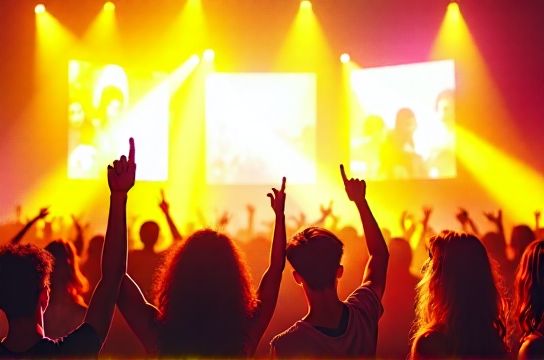
Take the BTS Army, for example. This global fanbase didn’t just break music records—they raised over $1 million for Black Lives Matter in 2020. When TikTok teens flooded Trump’s 2020 rally with fake RSVPs? That was fandom tactics meeting political satire. These aren’t isolated stunts; they’re signs of a larger shift. Fans are no longer passive consumers. They’re digital organizers, fundraisers, and activists.
So how did we get here? It starts with platforms. Social media gives fans real-time coordination tools. Twitter hashtags turn grief into action—like when Harry Potter fans launched #Dumbledore’sArmy to support U.S. Dreamers. Tumblr communities have long used fan fiction to explore LGBTQ+ identities and social justice. These spaces aren’t just fun—they’re incubators for civic engagement.
The Data Behind the Movement
Let’s look at some numbers:
| Fandom | Activism Project | Funds Raised | Social Reach |
|---|---|---|---|
| BTS ARMY | Black Lives Matter (2020) | $1.3M+ | 8.7M+ mentions |
| Swifties | Reproductive Rights Funds | $500K+ | 4.2M+ tweets |
| Harry Potter Alliance | Literacy & Human Rights | $750K+ | Global chapters |
These aren’t just fan clubs—they’re decentralized NGOs powered by passion. A 2023 Pew study found that 62% of teens in active fandoms have participated in an online campaign, from signing petitions to organizing donation drives. And it’s not just about money. Fandoms amplify marginalized voices. When author Malinda Lo posted about queer representation, her readers turned it into a viral reading challenge—with over 200,000 participants.
Why It Works
Fandoms thrive on shared identity. Being a "Standom" member creates belonging—a tribe. That emotional investment translates into action. When celebrities speak out, fans follow. But increasingly, fans are leading the charge themselves. They use meme culture to spread messages, fan art to inspire solidarity, and coordinated hashtag campaigns to crash trending lists.
And let’s be real: young activists know how algorithms work. They game the system better than most politicians. Remember when K-pop fans hijacked racist hashtags by flooding them with concert videos? That’s digital civil disobedience at its finest.
The Road Ahead
Of course, it’s not all perfect. Cancel culture can go too far. Online echo chambers sometimes lack nuance. But the potential is undeniable. Schools and nonprofits are now partnering with fandom communities to boost youth engagement. The key? Meet young people where they are—not in lecture halls, but in Discord servers and TikTok duets.
Fandom activism proves that passion, when channeled right, can change the world. So next time you see a teen making a gifset for their favorite character, remember: they might also be organizing the next big social campaign. The future of activism isn’t just political—it’s personal, pixelated, and powered by fans.