
Digital Face-Saving: How Social Media Fuels Performance Culture in China
- Date:
- Views:339
- Source:The Silk Road Echo
Let’s be real—scrolling through Chinese social media sometimes feels like watching a highlight reel of perfect lives. From flawless selfies to luxury brunches and career wins posted at midnight, platforms like Xiaohongshu, WeChat Moments, and Douyin aren’t just for sharing—they’re battlegrounds for social status. Welcome to China’s digital face-saving culture, where looking good online isn’t optional, it’s survival.
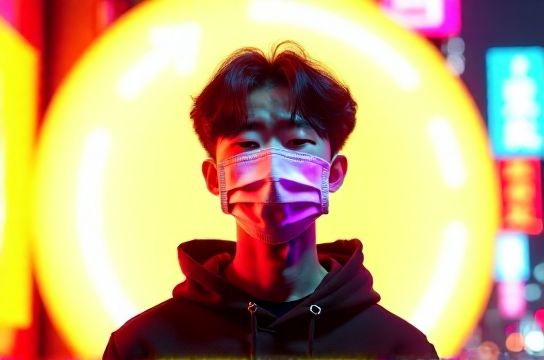
In Chinese, the concept of ‘mianzi’ (face) has always mattered. It’s about reputation, respect, and fitting into society’s expectations. But now? That pressure’s gone fully online. With millions watching, every post is a performance. A new phone, a weekend getaway, even a carefully lit photo of your morning coffee—it’s not just content, it’s currency. And people are spending big to keep up.
Take Xiaohongshu, often called China’s Instagram. It started as a lifestyle-sharing app but has morphed into a stage for curated perfection. Influencers and everyday users alike craft images of success—designer bags, gym bodies, dream jobs. Behind the scenes? Stress, debt, and burnout. But no one talks about that in the captions.
This isn’t just about vanity. In a hyper-competitive society, your online image can affect real-life opportunities. Job recruiters peek at WeChat profiles. Parents judge other parents based on their kids’ trophy posts. Even dating apps feel like auditions. So people perform—not because they want to, but because they have to.
And the cycle feeds itself. The more polished the feed, the more likes and followers you get. More followers mean influence, which can turn into money. So influencers push the illusion harder, selling skincare routines that promise glow-ups or courses that guarantee promotions. Meanwhile, regular users feel more pressure to match up.
But here’s the twist: people know it’s fake. They joke about ‘artificial mianzi’ (fake face) and mock overly staged photos. Yet, they still play the game. Why? Because opting out feels riskier than faking it.
So what’s the cost? Mental health is taking a hit. Anxiety, comparison fatigue, fear of missing out—especially among Gen Z and young professionals. Some are pushing back, starting anonymous accounts to share real struggles or promoting ‘anti-perfection’ trends. But change is slow.
The truth is, social media didn’t create China’s performance culture—it amplified it. Digital platforms gave mianzi a megaphone. Now, saving face isn’t just personal; it’s public, permanent, and powered by algorithms.
If you’re trying to understand modern China, don’t just look at economics or politics. Check the feeds. Because behind every selfie, there’s a story about pressure, pride, and the price of looking perfect.