
Rural Left-Behind Children: The Human Cost of China’s Urbanization
- Date:
- Views:293
- Source:The Silk Road Echo
You’ve probably heard about China’s rapid rise — skyscrapers popping up overnight, high-speed trains zipping across provinces, and millions lifted out of poverty. But behind that shiny progress? There’s a quieter, more heartbreaking story — the story of rural left-behind children.
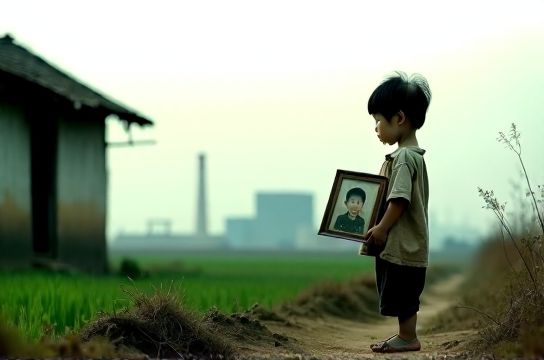
Every year, millions of parents from China’s countryside head to cities in search of work. They chase better wages, factory jobs, construction gigs — anything to give their families a shot at a better life. But what they often leave behind are their kids. Alone. With grandparents. Or sometimes, no one at all.
These kids — we’re talking over 6 million by some estimates — are growing up without mom or dad. Not because their parents don’t care, but because survival demands sacrifice. And while urban China booms, these children face loneliness, poor education, mental health struggles, and even safety risks.
Imagine being 8 years old, doing homework by candlelight because the electricity’s been cut, waiting for a phone call that might not come for weeks. That’s reality for way too many left-behind kids in provinces like Sichuan, Henan, and Anhui.
And here’s the kicker: this isn’t just a family issue. It’s a national challenge. These kids are China’s future — farmers, workers, maybe even leaders. But when they grow up with emotional gaps and limited access to quality schools or healthcare, how can they thrive?
Some NGOs and local governments are stepping up — setting up after-school programs, mental health hotlines, even ‘children’s palaces’ in villages. But it’s patchwork. Real change needs bigger investment, smarter policies, and yes, a rethink of how urbanization treats the people fueling it.
At the end of the day, China’s dream shouldn’t be built on broken childhoods. We need to talk about migration, yes — but also about connection, support, and love. Because no kid should feel forgotten just because their parents had to leave.
The human cost of urbanization is real. And it has a name: resilience in silence.