
From Farm to City The Rural Migration Experience
- Date:
- Views:325
- Source:The Silk Road Echo
Ever wondered what it’s really like to leave the quiet fields of the countryside and dive headfirst into the non-stop hustle of city life? You're not alone. Millions every year make the leap from farm to city, chasing dreams of better jobs, education, and a brighter future. But how does it really play out? Let’s unpack the real story behind rural migration—with data, heart, and a little bit of grit.
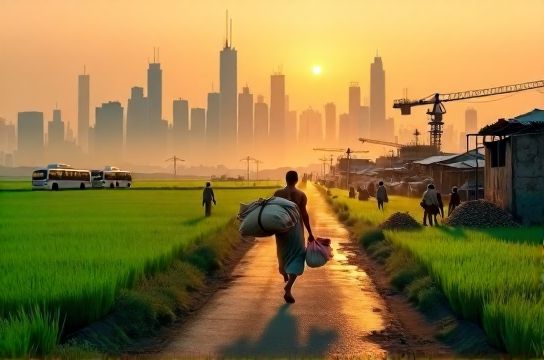
The Big Move: Why People Leave the Farm
It’s not just about escaping hard labor. Economic pressure, climate change, and lack of access to healthcare or schools push rural families toward urban centers. According to the World Bank, over 55% of the global population now lives in cities—a number expected to rise to 60% by 2030. In developing nations, this shift is even more dramatic.
In countries like India and Nigeria, young adults are trading plows for paychecks, often ending up in sprawling informal settlements. The promise? A monthly wage that might be 3–4 times what they’d earn farming. The reality? Overcrowded housing, job insecurity, and cultural dislocation.
Urban Dreams vs. Ground Realities
Cities dangle opportunity like candy—factories, service jobs, tech gigs. But breaking in isn’t easy. Many rural migrants end up in the informal sector, doing day labor, street vending, or domestic work with no contracts or benefits.
Check out this snapshot of migrant employment trends:
| Country | % Migrants in Informal Jobs | Avg. Monthly Income (USD) | Main Sectors |
|---|---|---|---|
| India | 80% | $120 | Construction, Domestic Work |
| Nigeria | 90% | $95 | Street Vending, Transport |
| Mexico | 70% | $250 | Manufacturing, Services |
| Indonesia | 78% | $140 | Retail, Food Service |
Source: ILO & World Bank Urban Development Reports (2023)
The Hidden Cost of Change
Moving to the city isn’t just a career shift—it’s an identity overhaul. Imagine going from a close-knit village where everyone knows your name to a concrete jungle where you’re invisible. Loneliness, mental health struggles, and loss of tradition are real side effects.
Yet, there’s resilience. Many migrants form tight-knit communities from their home regions, creating support networks that help newcomers find housing and jobs. In Lagos, for example, Igbo unions from southeastern Nigeria run microloan programs for fellow migrants.
Can Cities Adapt?
The challenge isn’t just on migrants—it’s on cities too. Without affordable housing, public transport, and inclusive policies, urban growth becomes chaotic. But smart planning can turn the tide. Medellín, Colombia, once infamous for violence, transformed through cable cars connecting hillside slums to job centers—and saw crime drop by 95% over two decades.
Final Thoughts: Progress with Purpose
Rural migration isn’t a problem to fix—it’s a movement to guide. With better education access, vocational training, and fair labor laws, we can ensure that the journey from farm to city lifts people up, not wears them down.
So next time you see a construction worker balancing on a steel beam or a vendor selling snacks on a busy sidewalk, remember: that’s someone’s dream, hanging in the balance.