
How Language Reflects Social Change in China
- Date:
- Views:236
- Source:The Silk Road Echo
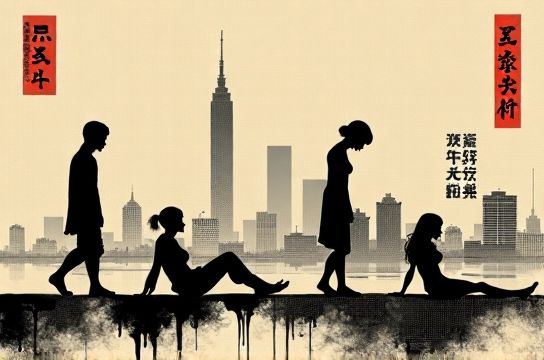
China's rapid social transformation over the past few decades hasn't just reshaped skylines and economies—it's also left a deep imprint on the way people speak. From internet slang to evolving gender expressions, the Chinese language has become a living mirror of societal shifts. Let’s dive into how words evolve with culture, and what that says about modern China.
The Rise of Internet Slang: More Than Just Memes
You can't scroll through Weibo or Douyin without bumping into terms like neijuan (内卷, involution) or tangping (躺平, lying flat). These aren’t just buzzwords—they reflect real anxieties about work-life balance and social pressure. Neijuan, originally an academic term, now describes cutthroat competition with no real gain. Meanwhile, tangping champions disengagement from relentless hustle culture.
A 2023 survey by Peking University found that over 68% of urban millennials use at least one internet-born term daily. This isn’t rebellion—it’s linguistic adaptation.
Gender & Identity: A New Lexicon Emerges
Traditional Chinese grammar doesn’t mark gender, but social attitudes are changing fast. Terms like nü qiangren (女强人, strong woman) once carried mixed connotations—admiration tinged with skepticism. Today, younger generations embrace labels like dushen nüzi (独立女性, independent woman), signaling a shift toward self-defined identity.
In contrast, rising awareness around LGBTQ+ issues has sparked debates over pronouns and inclusive language. While official media remains cautious, online communities use playful terms like CP (couple) to describe same-sex pairings—a subtle act of normalization.
Urbanization and Dialect Decline
As millions move from villages to cities, Mandarin dominates public life. UNESCO classifies several Chinese dialects—including Shanghainese and Cantonese—as 'vulnerable.' A 2022 study showed only 12% of children in Guangzhou speak Cantonese fluently at home, down from 47% in 2005.
This isn’t just about accents—it’s cultural erosion. Dialects carry local humor, idioms, and history. Yet, economic mobility often demands linguistic conformity.
| Term | Literal Meaning | Social Implication | Popularity Index (2023) |
|---|---|---|---|
| 内卷 (neijuan) | Involution | Workplace burnout, hyper-competition | 9.2/10 |
| 躺平 (tangping) | Lying flat | Rejecting societal pressure | 8.7/10 |
| 打工人 (dagongren) | Working stiff | Self-deprecating labor identity | 9.0/10 |
| 小姐姐 (xiaojiejie) | Little sister | Casual address for young women | 7.5/10 |
Conclusion: Words as Windows to Culture
Language in China isn’t just evolving—it’s protesting, adapting, and redefining norms. Whether it’s rejecting burnout culture or reclaiming identity, every new phrase tells a story. As society changes, so does speech. And if you’re listening closely, the words themselves reveal where China is headed.