
Mental Health Stigma Among Young Chinese Adults
- Date:
- Views:298
- Source:The Silk Road Echo
In today’s fast-paced digital era, mental health has become a global talking point — yet for many young Chinese adults, speaking up about emotional struggles still feels like crossing a cultural red line. Despite growing awareness, deep-rooted stigma continues to silence conversations around depression, anxiety, and psychological well-being in China.
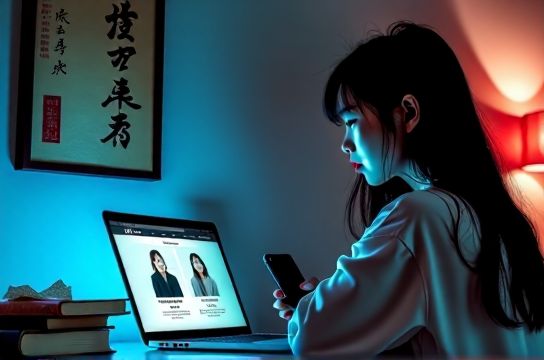
According to the World Health Organization (WHO), over 200 million people in China experience mental health conditions, with nearly 30% of them being aged 18–34. Shocking, right? But here's the real kicker: only about 1 in 7 actually seek professional help. Why? Because shame, fear of judgment, and family pressure often outweigh the urge to heal.
The Cultural Wall: 'Save Face' Over Self-Care
In traditional Chinese values, maintaining harmony and 'face' (社会形象) is everything. Admitting you're mentally struggling? That's seen by some as weakness or even a family embarrassment. Many young adults grow up hearing phrases like "Just toughen up" or "Others have it worse" — dismissive words that bury pain under layers of silence.
Schools and workplaces rarely offer mental health support, and therapy is often viewed as something only "crazy people" need. Urban areas like Beijing and Shanghai are slowly changing, but outside major cities? The gap is wide.
Breaking Down the Barriers: What the Data Shows
A 2022 study published in The Lancet Psychiatry revealed that among Chinese university students:
| Mental Health Issue | Reported Prevalence | Seeking Help (%) |
|---|---|---|
| Depression | 26% | 12% |
| Anxiety | 31% | 15% |
| Severe Stress | 40% | 9% |
That means more than 1 in 3 college students feel overwhelmed — yet fewer than 1 in 10 reach out. Yikes.
Social Media: A Double-Edged Sword
On one hand, platforms like Xiaohongshu and Weibo are becoming safe spaces where young users share personal stories using hashtags like #我的情绪日记 (My Mood Diary). These online communities foster connection and reduce isolation.
But there's a dark side: cyberbullying, unrealistic life portrayals, and 'hustle culture' glorifying burnout. TikTok-style videos preaching "no pain, no gain" can make self-care feel like laziness.
Signs of Change? Yes — But Slowly
There’s hope. In 2023, China’s National Health Commission launched a pilot program to integrate mental health screenings into routine check-ups for students. Some tech companies now offer employee counseling services. And influencers like pop star Joker Xue have gone public about their therapy journeys, helping normalize the conversation.
Still, systemic challenges remain: a shortage of licensed therapists (only ~20,000 nationwide), high costs, and lack of insurance coverage make access tough.
What Can Be Done?
- Normalize the talk: Start small — talk about stress, sleep, emotions at home or with friends.
- School programs: Introduce mental wellness into curriculums, not just exam prep.
- Workplace support: Encourage rest, flexibility, and zero-tolerance for toxic productivity.
- Seek help quietly if needed: Online counseling platforms like Haoping and KnowYourself offer affordable, anonymous sessions.
Mental health isn’t a Western trend — it’s a human need. For young Chinese adults navigating academic pressure, job uncertainty, and evolving identities, breaking the stigma isn’t just important; it’s essential for survival.
The message is clear: It’s okay to not be okay. And healing doesn’t mean losing face — it means finding yourself.