
Fitness Trends Among Urban Chinese Youth
- Date:
- Views:223
- Source:The Silk Road Echo
If you’ve been strolling through the streets of Beijing, Shanghai, or Shenzhen lately, you might’ve noticed something different—more people jogging at dawn, packed yoga studios, and fitness influencers lighting up WeChat Moments. Yep, urban Chinese youth are flexing more than just their fashion sense—they’re embracing a full-on fitness revolution.
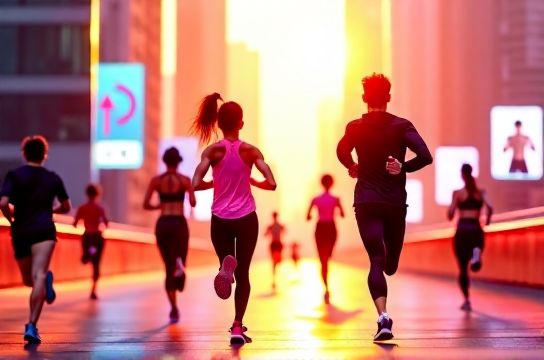
Gone are the days when hitting the gym meant lifting weights in silence. Today’s young urbanites in China treat fitness like a lifestyle upgrade. According to a 2023 report by iiMedia Research, over 68% of Chinese millennials and Gen Zers in first- and second-tier cities engage in regular physical activity—up from just 49% in 2018. And get this: the health and fitness market in China is projected to hit $60 billion by 2025. That’s not just growth—it’s a full sprint.
So, what’s driving this boom? For starters, rising disposable income means young professionals can finally afford gym memberships, boutique studios, and high-tech wearables. But it’s not just about money. Social media plays a huge role. Platforms like Xiaohongshu (China’s answer to Instagram) are flooded with #FitTok-style videos—think 30-second ab workouts, plant-based meal prep, and transformation journeys that rack up millions of views.
Let’s break down the top fitness trends taking over China’s cities:
- Group Training & Boutique Studios: Chains like Supermonkey and Pure Fitness offer everything from HIIT to aerial yoga. These aren’t your grandpa’s gyms—they’re Instagrammable, community-driven, and packed with energy.
- Digital Fitness Apps: Keep (a local fitness app) boasts over 300 million users. It offers guided workouts, progress tracking, and even virtual challenges. During lockdowns, its daily active users jumped by 78%.
- Outdoor Movement Culture: Park runs, cycling clubs, and even midnight dance parties (yes, really) are gaining traction. Cities are responding with more bike lanes and public fitness zones.
- Mind-Body Balance: Meditation and mindfulness apps like HeyDay are seeing surges. Young Chinese are realizing that mental wellness is part of the fitness package.
Now, let’s talk numbers. Here’s a snapshot of urban fitness habits across major Chinese cities:
| City | Weekly Avg. Workout Sessions | Top Activity | Fitness App Penetration |
|---|---|---|---|
| Shanghai | 3.8 | Pilates | 72% |
| Beijing | 3.5 | Running | 68% |
| Shenzhen | 4.1 | HIIT | 75% |
| Hangzhou | 3.3 | Cycling | 65% |
What’s clear is that fitness isn’t just about looking good—it’s about feeling empowered. With long work hours and high stress, young Chinese are using exercise as a form of self-care and rebellion against burnout.
And brands are noticing. International names like Lululemon and Peloton are tailoring products for Chinese tastes—think jade-infused yoga mats and Mandarin-speaking trainers. Meanwhile, homegrown startups are thriving by blending tech, community, and culture.
The bottom line? Fitness among urban Chinese youth isn’t a fad—it’s a cultural shift. Whether it’s sweating it out in a spin class or meditating under cherry blossoms, they’re redefining what it means to be healthy in modern China.