
Coffee Culture vs Tea Traditions in China
- Date:
- Views:232
- Source:The Silk Road Echo
China is the birthplace of tea, but walk into any shopping mall in Beijing or Shanghai today, and you’ll smell roasted coffee beans before you catch a whiff of jasmine. The East meets West in the most delicious way—through the cup. So, what’s really brewing? Let’s dive into the steaming showdown: Coffee Culture vs Tea Traditions in China.
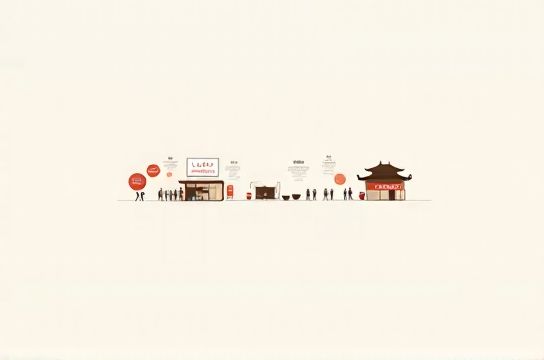
Tea isn’t just a drink here—it’s heritage. For over 5,000 years, Chinese tea has been steeped in ritual, medicine, and philosophy. From delicate green Longjing to bold Pu-erh, tea represents harmony and mindfulness. But now, with over 320,000 coffee shops across China (and growing fast), it’s clear that espresso shots are giving oolong a run for its money.
Young urbanites, especially Gen Z and millennials, are driving this caffeine shift. A 2023 report by Statista showed that 62% of Chinese consumers aged 18–35 prefer coffee over tea during work hours. Why? It’s not just about taste—it’s lifestyle. Coffee shops like %Arabica and Luckin Coffee aren’t just serving drinks; they’re selling Instagrammable vibes, productivity hacks, and third-place hangouts.
But don’t count tea out. Traditional tea houses still thrive in cities like Hangzhou and Chengdu. In fact, the Chinese tea market was valued at $28.7 billion in 2023, while coffee reached $14.5 billion. Tea may be the elder sibling, but coffee is the ambitious younger one moving fast.
The Great Caffeine Face-Off: By the Numbers
| Metric | Tea in China | Coffee in China |
|---|---|---|
| Average Annual Consumption per Capita | 500+ cups | 80 cups |
| Market Size (2023) | $28.7 billion | $14.5 billion |
| Annual Growth Rate | 6.2% | 14.3% |
| Top Consumer Age Group | 35–50 | 18–35 |
| Leading Brands | Tata Tea, Zhongcha | Luckin, Starbucks China |
See that growth rate? Coffee’s booming. Luckin Coffee, once scandal-plagued, now operates over 10,000 stores—more than Starbucks in China. They’ve cracked the code: affordable pricing, mobile ordering, and viral marketing (hello, coconut latte).
Yet, tea evolves too. Modern chains like Hey Tea and Chagee are reinventing tradition with milk foam boba teas and yuzu oolongs served in minimalist cafes. They’re blending old soul with new style—proving tea can be trendy.
So, is this really a battle? Not quite. Many Chinese sip both. Morning matcha latte? Sure. Afternoon gongfu cha ceremony? Absolutely. The truth is, China doesn’t do replacement—it does fusion.
In cities like Guangzhou, you’ll find baristas pulling espresso next to masters brewing aged Pu-erh. It’s not coffee versus tea—it’s choice, culture, and comfort all swirling in one cup.
Whether you’re team leaf or team bean, one thing’s certain: China’s beverage scene has never been more exciting. So go ahead, take a sip. The future tastes bold—whether black or brown.