
Dating Culture Shifts Among Chinese Youth
- Date:
- Views:455
- Source:The Silk Road Echo
In recent years, the dating culture among Chinese youth has undergone a seismic shift. Gone are the days when matchmakers and family-arranged meetings dominated romance. Today’s young adults in China are redefining love, relationships, and intimacy with digital tools, evolving values, and urban lifestyles.
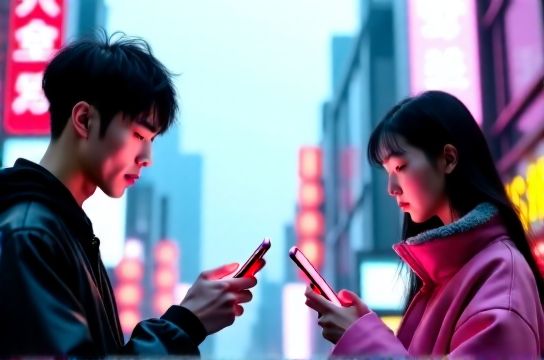
According to a 2023 survey by Qingdao University, over 68% of Chinese millennials and Gen Zers prefer meeting partners through dating apps rather than traditional introductions. Platforms like Tantan (China’s answer to Tinder) and Bumble have seen user growth surge—Tantan alone boasts over 10 million daily active users.
But it’s not just about swiping right. The modern Chinese youth prioritize emotional compatibility, personal space, and shared life goals. A study published in the Journal of Asian Social Psychology found that 74% of respondents aged 18–30 consider "mental connection" more important than financial stability in a partner.
The New Rules of Dating in Urban China
In cities like Beijing, Shanghai, and Shenzhen, casual dating and "friend-with-benefits" arrangements are on the rise—especially among post-90s and post-00s generations. Yet, societal pressure to marry remains strong. The Ministry of Civil Affairs reported that the average marriage age in China rose to 28.7 for men and 26.5 for women in 2022, up from 24.8 and 22.6 a decade ago.
This delay reflects a growing trend: young people are choosing self-development over early commitment. As one 27-year-old professional in Hangzhou put it, "I want to know who I am before I share my life with someone else."
Dating App Usage Compared (2023)
| App Name | Monthly Active Users (Millions) | Primary User Age Group | Key Feature |
|---|---|---|---|
| Tantan | 28.5 | 18–30 | Swipe-based matching |
| Bumble China | 6.2 | 22–35 | Women message first |
| Momo | 15.8 | 20–32 | Social discovery + dating |
| Zhenai | 9.1 | 25–40 | AI-driven matchmaking |
Despite tech advancements, challenges persist. Many users report "dating fatigue" due to superficial interactions. Others face the so-called "involution" of romance—spending excessive time and energy trying to stand out in a crowded digital pool.
Love in the Time of Hustle Culture
Hustle culture, especially in tier-1 cities, leaves little room for deep connections. Long work hours and high living costs make dating a low priority. In fact, a 2022 survey by DXY.cn revealed that 52% of single professionals in Shanghai go on fewer than two dates per month.
Yet, hope isn’t lost. Pop-up dating events, interest-based clubs (like hiking or board game groups), and even AI-powered relationship coaches are gaining traction. Some companies now offer "love leave" policies, allowing employees time off to date—yes, really.
In conclusion, Chinese youth aren’t rejecting love—they’re reimagining it. They seek authenticity in a fast-paced world, blending tradition with innovation. Whether through an app swipe or a quiet coffee chat, the heart still searches for connection—just on its own terms.